Showing posts with label photography. Show all posts

Friday, August 30, 2019

A Resplendent Nightmare

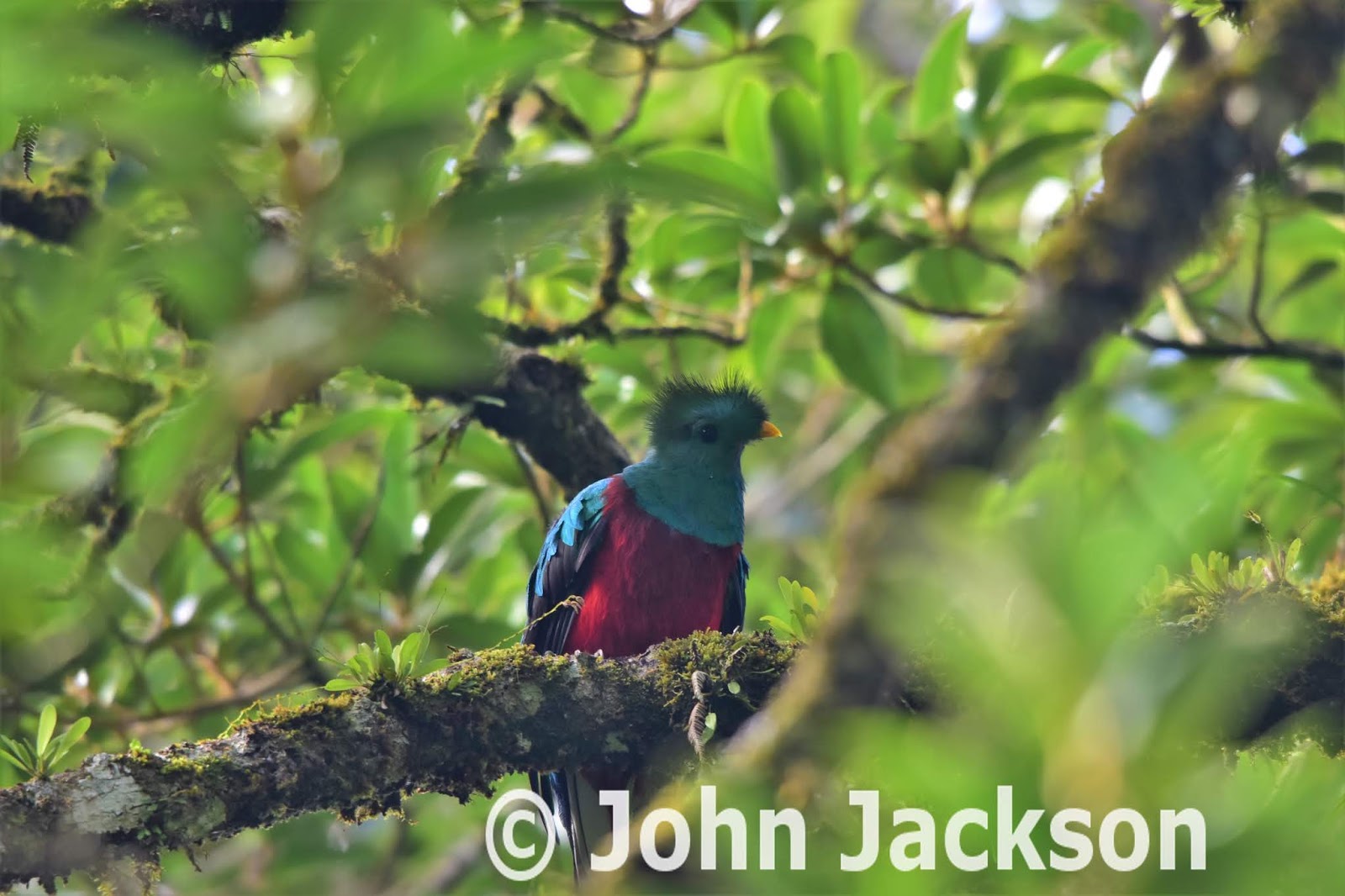
The Resplendent Quetzal, one of the most beautiful and sought after birds in the world. Found only in the Cloud Forests of Costa Rica, it feeds on wild avocado.
The resplendent quetzal (Pharomachrus mocinno) is a living jewel of the mesoamerican cloud forest. Few birds can rival the males beauty: iridescent emerald feathers, a crimson breast, and tail feathers longer than the whole body. Well, they are actually modified upper tail coverts and not the rectrices, but that makes them almost more spectacular, with a more flowy appearance. This bird appears almost impossible, yet it exists, and people have taken notice for a very long time.
As the name suggests, the resplendent quetzal is associated with Quetzalcoatal, the mesoamerican snake deity. Its long tail lends it something of a serpentine look, I guess. The long feathers themselves were used in headdresses of nobility. They were apparently collected from live birds, releasing the unfortunate male after they had finished plucking the plumes they wanted. The term quetzal came to mean sacred or precious in some parts of mesoamerica.
Another look at the head of a male quetzal, also showing the crimson breast color.
This divine bird captured the imagination of Europeans, and after centuries, particularly bird-watchers. This bird is just one of those must see species. I have to say for myself it is easily in my top five birds globally I wanted to see, in a list with other avian legends and other oddities. This bird probably helped put mesoamerican cloud forests on the tourism map, and walking Monteverde you see its image everywhere. I think even non-birders want to see this creature, as it is a natural wonder much like Arches and other rock formations of Utah.
A female resplendent quetzal. Not as showy as the males, but still a very nice looking trogon.

My quest to see a quetzal is not the most daring adventure I have had to embark on. It didn’t involve running up a hill with poison ivy to see an elegant trogon, taking a jeep down an insane jungle road before a hard hike in a remote part of Kauai to glimpse a puaiohi, or go traipsing into the jungle following army ants to see the ocellated antbird. If anything it was pretty straightforward. Ebird told me the place to check out was Curi-cancha reserve next to the Monteverde cheese factory. So on the 4th of July after finishing an exam, I headed out. I found Monteverde is a very walkable place. (the world famous Monteverde Cloud Forest Reserve is a bit further and best to just take a taxi there, but we will get to this reserve later) I walked into the main entrance paid my fee, (Monteverde is the land of paying about $15 to do stuff) and the man there circled an area on the trail map and said look for quetzals there. Well, I walked up filled with anticipation, and arrived at the spot to find a family already there, and they had a quetzal in a wild avocado tree. It was a female, a stunning trogon, but I still really wanted to see the male bird with its incredible plumage. I hung around a little, walked the cloud forest, and learned if I wanted to see a male it sounded like I needed to go early.
A male quetzal from the front, red breast, and his long tail coverts blowing in the wind.

So a few days later I gathered a small group of other students excited to see this bird. We arrived early, and again a family was already there, and had just seen a male. I saw something torpedoing through the trees. These birds are hard to spot when not moving, on par with my experience with trogons, fortunately with so many people I quickly had the exact spot described to me. It was a truly amazing bird, with long feathers blowing in the wind. I was quite ecstatic to finally see and photograph this incredible bird. We hung around, as a few groups came through and took a look.
The back veiw of a male quetzal, his tail coverts crossing in a a very fluid way.
Weeks later I made a return trip, because why not. I arrived to what else but a group that already had a female bird in their scopes. At this point I realized that finding a quetzal was literally just finding a group that had one. Those who have seen the movie The Big Year may get this; I would refer to this as “Skua Birding” or just letting others do the work of spotting, and then getting the bird. This time though I actually was spotting quetzals, while other people looked at the one the guides had seen. The area probably a total of five. Now after the excitement of first seeing these gems, I go to observe these birds and get a feel for their movement and behavior. Like all trogons they slowly move and cock their heads, which I heard a guide call scanning. Basically looking around for food. They also are quite clumsy in the air, sort of wildly flapping about. I got to look at them even closer than before. The thing was, that since the last time I had been in Curi-cancha the male had shed his tail. They looked less exotic and regal, and more cute. I stayed around for some time and many groups came through, and listened to the same speal about the quetzal. Eventually some thirty people stood around, but the quetzal area here is quite open and though it felt crowded, it wasn’t too intense.
Where did my tail go? This male has lost the long tail coverts that makes this species so famous.

In my last few days in Monteverde I finally made my way to the Monteverde Cloud Forest Preserve. This place was different. Hiking the upper trails it is a magnificent place, wandering the magical forest swallowed by the clouds. I was definitely reminded of Hawaiian Cloud Forest. Except, it was packed. I had not seen crowds like this for over a month. A line to get a ticket, a line to get in. When walking a path, a group had formed as they had spotted the quetzal. Unlike Curi-cancha with its wide open area, this was on a narrow path. It was then that all my musings of the similarities between Moab and Monteverde kind of connected. Anyone who has not visited Arches National Park in a while may be shocked by the amount of people trying to get in. I am down in the Moab area quite often, but almost never venture into the park. Maybe January. The line to get in by car is often hundreds of feet long and takes a while. Delicate arch is a nightmare of a hike, with a constant procession of visitors going to grab their selfie under Utah’s most famous landmark. The quetzal seems to be something everyone who comes to monteverde seems to want to see. I am of course no exception, but over my time in the area and seeing the quetzals four times, I became more and more aware of this. Also might have to do with my irritation at not getting a great angle at a prong-billed barbet that came by.
A crowd of visitors and guides in the Monteverde Cloud Forest Reserve looking at a handful of quetzals in the mist.

Possibly just because I want to go back, but there could be an interesting study on the effects of birding in Monteverde. It is one of those few places, like Madera Canyon, that are so heavily trafficked by birders that we could get a real look on how this kind of ecotourism affects nature. Of course this popularity is probably not a bad thing, the desire to see a wild quetzal probably plays an important part in the amount of reserves in the Monteverde area; and fortunately trails only cover a fraction of the cloud forest, so there are quetzals somewhere in the mist not bothered by crowds gawking at them.

This place feels like a dream... Not sure what was up with the shafts of light my camera picked up, but it looks magical in the moss shrouded branches of gnarled cloud forest trees.

Evans, Susan Toby; David L. Webster (2000). Archaeology of Ancient Mexico and Central America: An Encyclopedia. Kahurangi Press. pp. 265–66. ISBN 978-0815308874. Retrieved 2015-03-22.

Tuesday, October 2, 2018

Wild Hawaii: Birding Hakalau Forest National Wildlife Refuge


Welcome to Wild Hawaii, or as close as you can still get.
Hawaii is an Archipelago situated in the middle of the Pacific ocean. Born from a hotspot on the bottom of the ocean, over the millennia they are built up until they break the surface. They surfaced barren rocky lands, but as they cooled and rain water collected life began to blow in, fern spores, spiders, insects and birds began to arrive. As the islands turned from black to green, life began to diversify and become unique to these virgin lands. About 4 million years ago a flock of Asian rosefinches where blown to a rugged coast. These birds found a forest devoid of competition, and full of possible food sources: seeds, grubs below the bark of trees, flowers, bugs hidden among the foliage, and a variety of fruits. In the intervening couple million years these finches would become many species; becoming the Hawaiian Honeycreepers.

The Hawaii 'Amakihi, a Honeycreeper that is not endangered. This one is flitting around a Fuchsia Bush.
Today many Hawaiian Honeycreepers are endangered, and plenty have gone extinct since the first humans arrived. At first it was the invasive Polynesian rat that ate the eggs of Hawaiian honeycreepers, they wiped out many species before Captain James Cook pulled up in his ship. But when the Europeans began to settle these tropical islands they accidentally brought mosquitos. Mosquitos transmit many diseases, these same mosquitoes can carry many tropical diseases that could wreck Hawaiian tourism. Although Human Malaria or dengue fever are yet to arrive, avian Malaria and avian pox have. In their millions of years of isolation, native hawaiian forest birds simply did not have the immune systems to resist the diseases and many species have gone extinct in the last 100 years. Today what keeps the surviving species from meeting this same fate is that these tropical mosquitoes cannot survive beyond around 4500 feet above sea level, the temperatures get too cold. This is not a permanent reprieve though; as the global climate warms these Invaders can move higher, not to mention that these mosquitoes could evolve to survive the chill.
Like the Hawaiian Honeycreepers that pollinate it, this Hawaiian lobelioid is threatened by invasive species.
Despite the mosquitos being held back by the cooler temperatures of the Hawaiian highlands, only one place has increasing populations of native Hawaiian Forest Birds, Hakalau Forest National Wildlife Refuge. The refuge is the first wildlife refuge to be created for the protection of forest dwelling birds. Established in 1985, Hakalau was once a ranch, which was offered up for sale. At the time the Federal Government didn’t have the cash, so the Nature conservancy purchased the track, and then sold it to the United States Government once they enough in the budget to pay for it. The area pig and goat proof fencing, and intensive restoration of Koa Forests began on some of the open fields. This pig-proof fencing has to be checked regularly as if pigs get in they can quickly take over the section of the refuge the get into, and lots of time and money will have to be spent to remove them. Keeping pigs out is critical to protecting endangered plants, like lobelioids and mintless-mints, defenseless to mammalian herbivores. Pigs also make wallows and other habitats that mosquito larvae could develop. The Native forests of Hawaii are threatened by Rapid Ohia Death, which kills the Ohia Tree, a flowering tree that is a critical food source for native birds, this along with the large amount of rare species mean Hakalau is closed to the public. However, the government grants certain guides the ability to bring people to the special place. I went with Jack Jeffery (http://www.jackjeffreyphoto.com/index.html) who was the refuges biologist for many years.
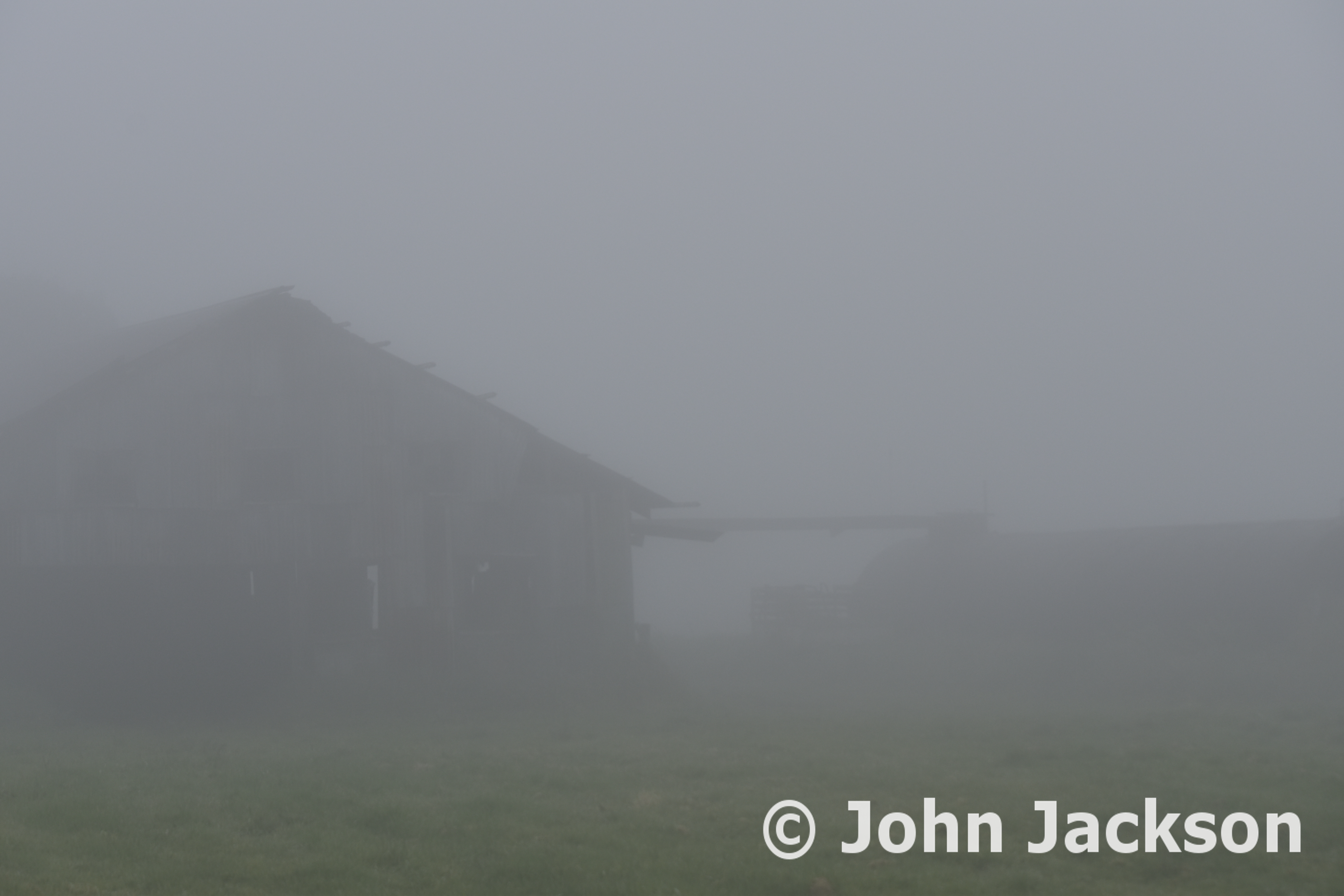
Buildings in the Refuge obscured by fog and volcanic smog (vog)
I met my guide in the barren lava fields that stretch between Mona Loa and Mona Kea. The air was chilly. Jack arrived along with another two people. After spraying our footwear down with alcohol, we hopped in an headed for across the street to the Mauna kea access road. This road eventually winds up to the summit of Mona kea and it observatories, but a dirt road that branches off of it leaves around the volcano to ranchland and Hakalau. Dew clung to the grasses as  Erckel's francolins, an African game bird, ran about. Soon the landscape was overtaken with a shrubby brush, this plant called gorsh is dense and adaptable, with seeds able to wait decades to germinate. Without cattle running through and stepping on it the plant has taken over the former ranchlands. Kaji pheasants looked for food along the edge of the plant. We got out and Jack called in a Japanese bush warbler, which remained hidden in the gorsh, but its beautiful calls easily were heard. On the way we past a pathetic reforesting attempt; a couple japanese pine trees growing out of the gorsh. Finally we arrived at the gate and entered Hakalau. After driving down a little hill of recent native Koa replantings we parked in a grassy field that serves as the parking lot.
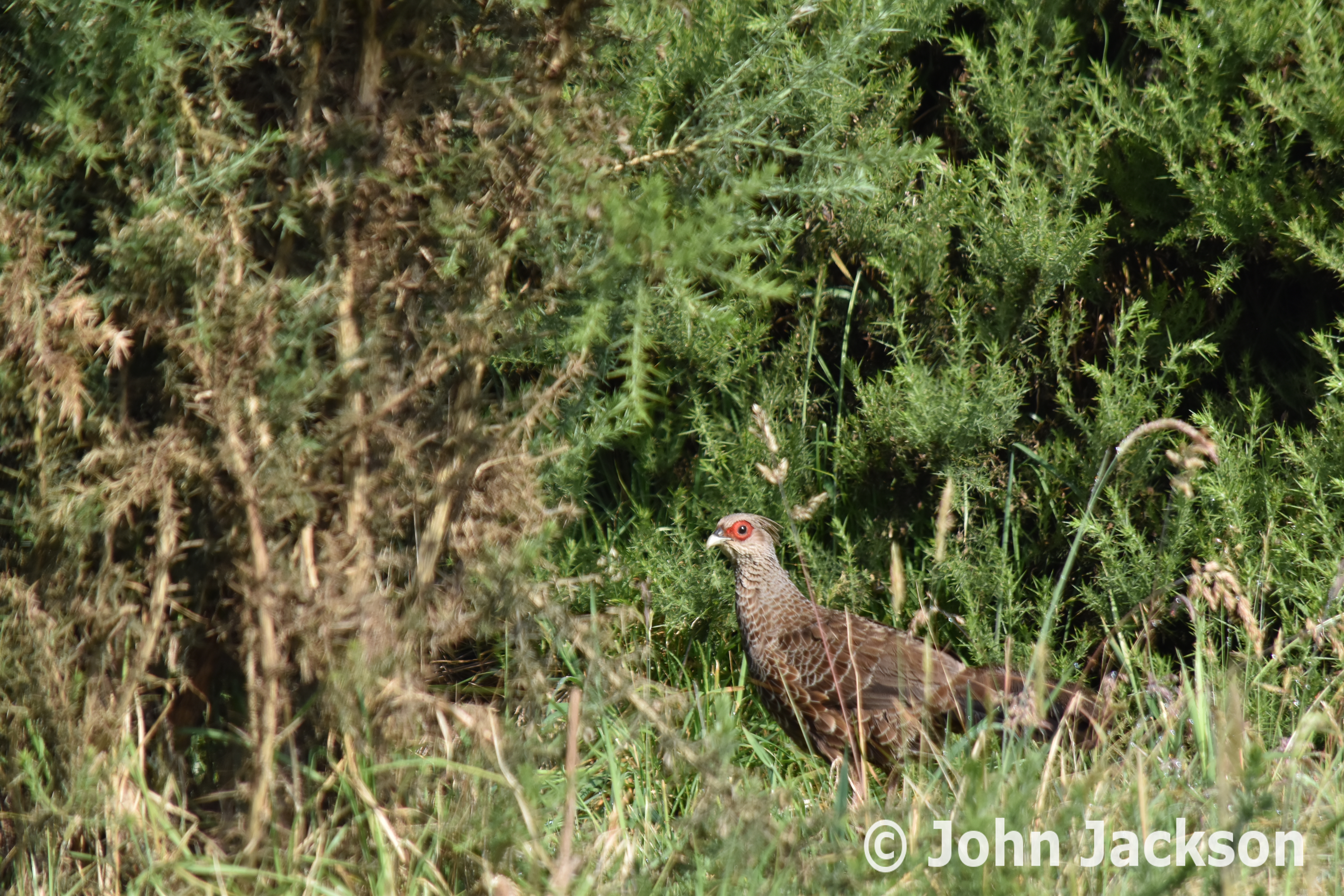
A female Kaji pheasant. these non-native birds are common in the gorsh grassland on the way to Hakalau
We then began our walk into the older forest, the short Koa began to give way to larger Koa and ancient ohia trees. Despite growing on barren lava fields, ohia don't like to grow in forests until they can be in the shade of the faster growing Koa. We stood for a second listening for native birds, some had flown by but we were yet to actually get a good look at one. Jack then excitedly called is over, on the dead moss covered branches of an ancient tree perched a little yellow bird singing. It was the rarest bird in Hakalau, the ‘Akiapola’au (which is referred to as the Aki, because saying ‘Akiapola’au take too much time). In Hawaiian forests this bird fills the woodpecker niche (eating bugs under the bark or in the wood of trees) and if you know anything about how this niche is filled on remote islands, then you should get excited. Woodpeckers don't get to every island or island group. On the island of Madagascar the Aye-aye, a strange lemur with ever growing teeth, bat-like ears, and a creepy long finger fills it. In the Galapagos and New Caledonia tool using birds probe for grubs. The Aki has a bizarre Beak. The lower mandible is short, thick and sharp, while the upper beak is long, thin, and curved. When feeding it's lower beak is used to drill into the soft Koa wood, and then the upper bill is used to fish the grub out. Besides a weird beak, the Aki also has weird behavior for a passerine. They live in mated pairs that require large territories, and provide parental care for up to two years. Because of its need for Koa forest and susceptibility to disease it is an endangered species, with two populations, one on Mona Loa, and the Hakalau population on Mona Kea. It is the last of a genus of Honeycreepers with extreme overbites.
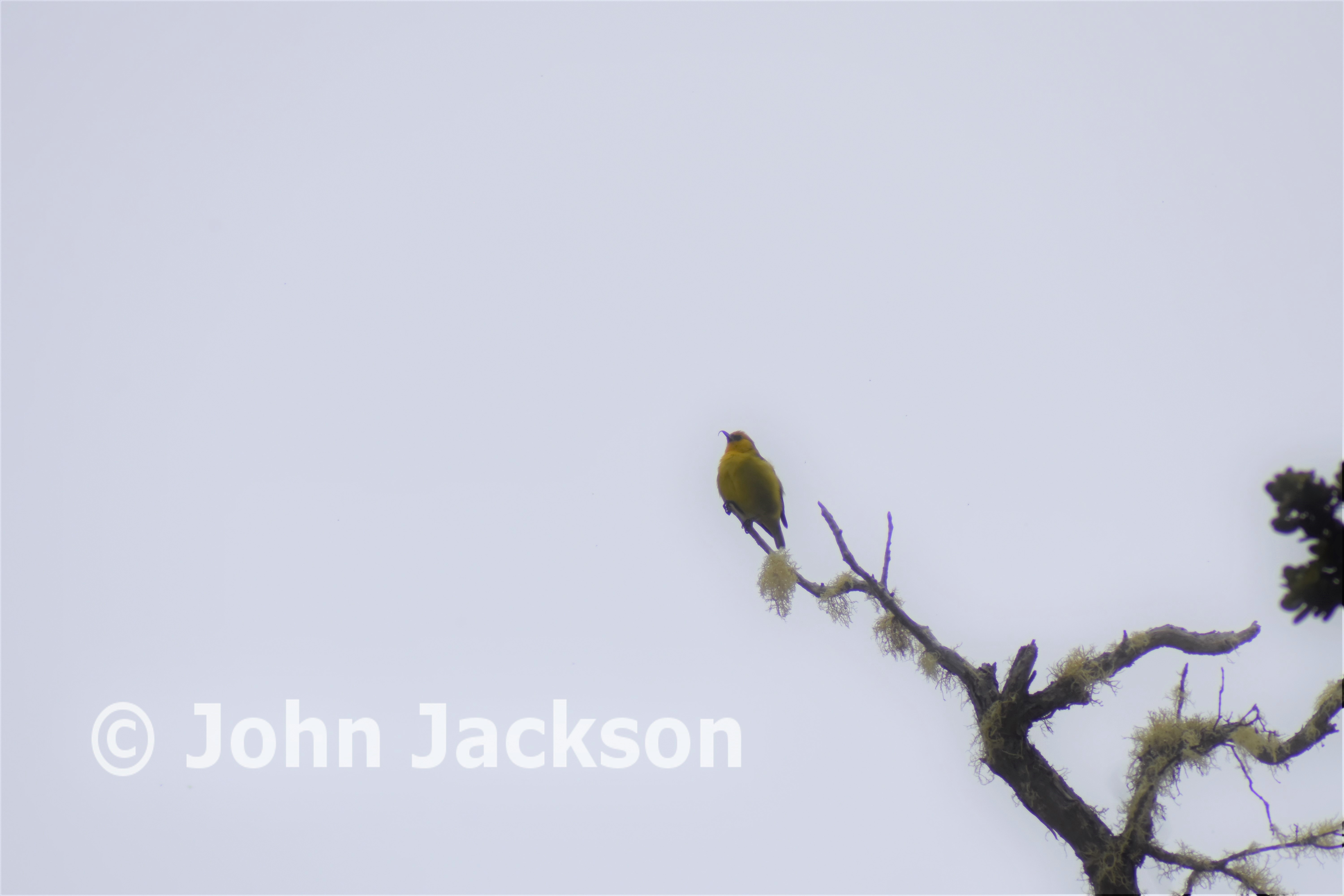
A Male Aki perched. These unusual passerines are the "Holy grail" of Big Island Birding, and not always seen on trips to Hakalau.
After the Aki had flown off his perch we hung around the spot for a little while, an 'I'iwi flew in but was obscured in an ancient Ohia. More on this bird later. We soon started back down hill in search of more birds. Soon Jack was pointing out a little grey bird clinging to the side of a branch, a Hawaiian Creeper. This drab little bird fills the same niche as nuthatches and creepers on the mainland, picking bugs from moss or just under the bark. The single bird worked its way up a few trees, before flying over and feeding a younger bird.
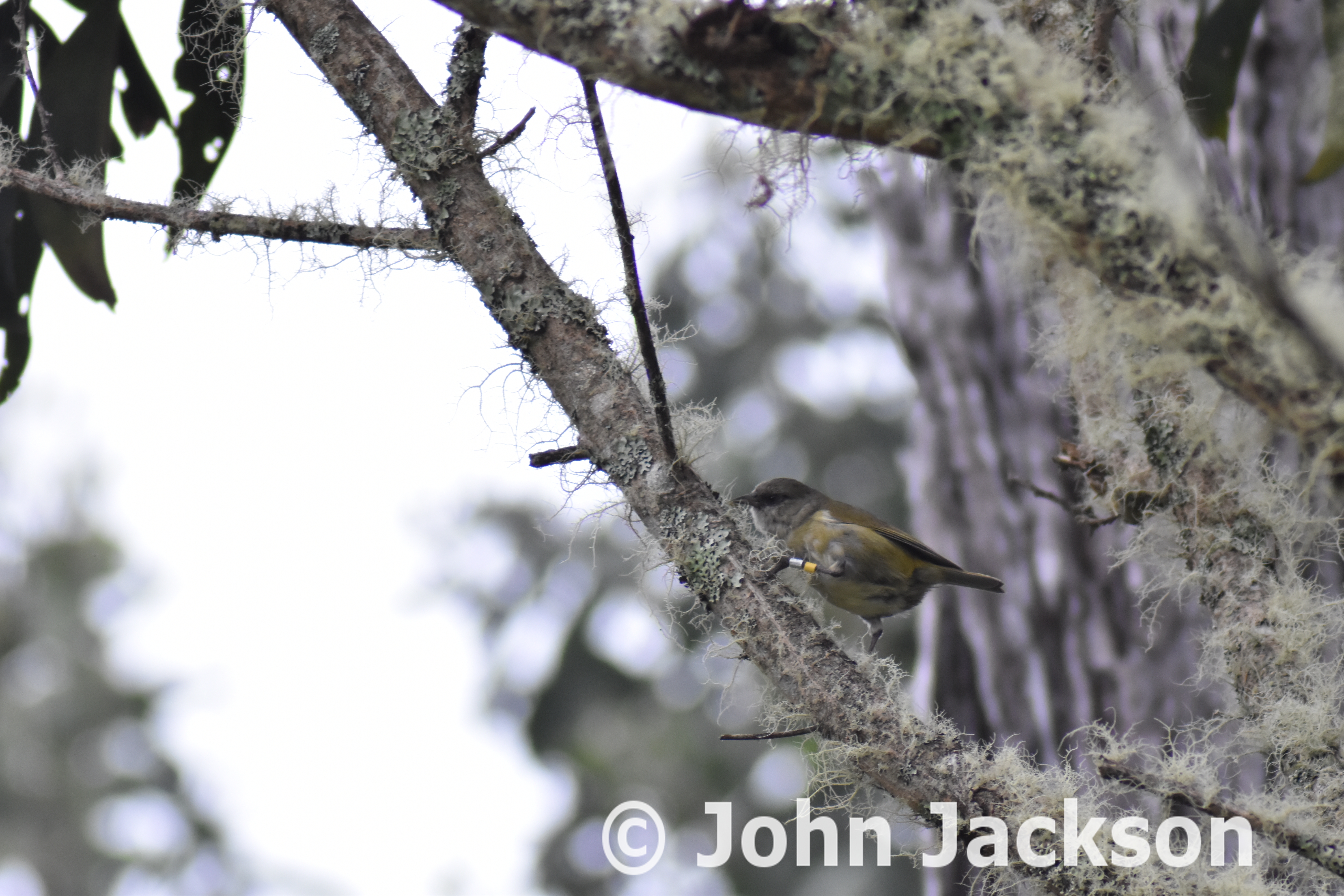
This Hawaii Creeper has been banded by researchers.
This was June 2018, Kilauea was erupting and Volcanic Smog shrouded the island. Hakalau is also a wet forest at high elevation. The visibility began to drop. Distant Trees became amorphous dark shapes in the background. Hopping around the trees were the ʻōmaʻo, one of two Hawaii's native thrushes that are definitely not extinct. They make a call that can only be described as a police whistle. In the undergrowth the very colorful Red-billed Leiothrix, an asian forest bird, popped out to take a quick look at us. I was also scanning the ferns for two invertebrates I really wanted to see, the Happy-face spider, and carnivorous caterpillars of the genus Eupithecia. No luck, guess I will have to go back.
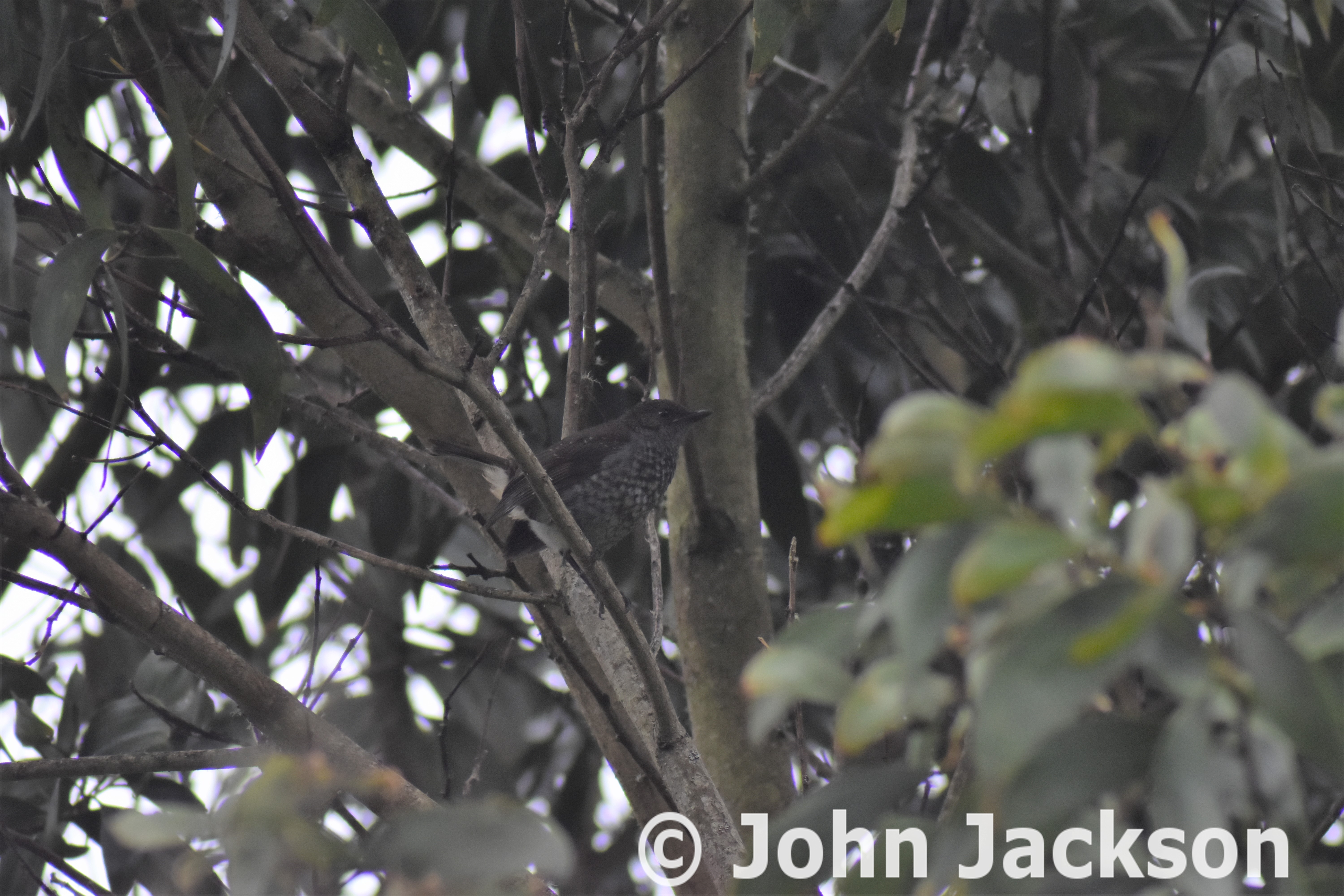
 A juvenile ʻōmaʻo. These are one of two native Hawaiian Thrushes still around; the other is the Puaiohi, which I glimpsed in the remote Alakai swamp of Kauai.

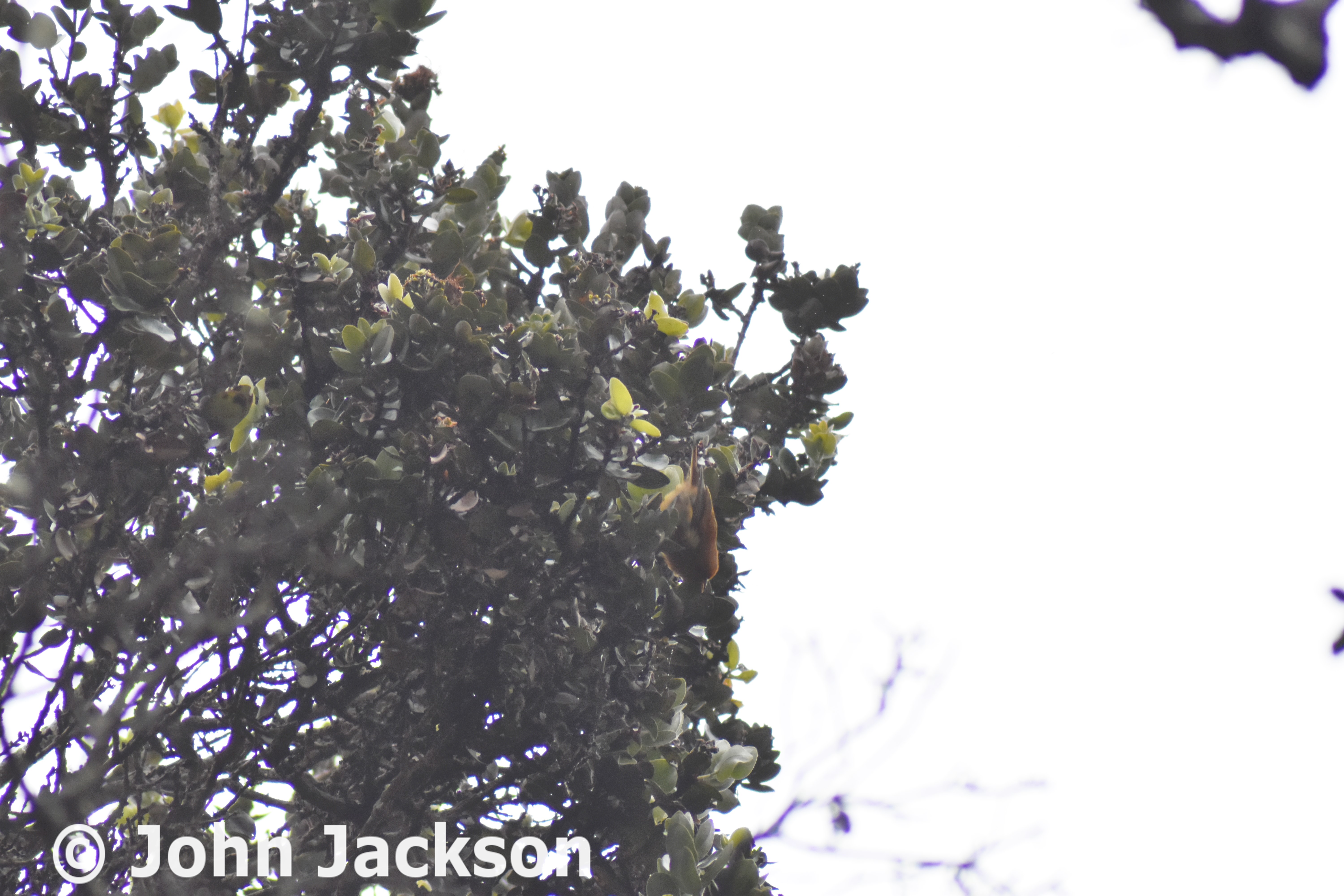
At this point we had picked up the ʻōmaʻo, the ‘elepaio (an old world flycatcher, and among the cutest birds in the world), and all the honeycreepers, save one. The smallest Hawaiian Honeycreeper is a dayglow orange bird with a slightly crossed bill, The Hawai’i ‘Akepa We where some ways down the trail when we arrived in what Jack called a mixed flock. Small green birds with slightly curved bluish bills flitted about, the most numerous Hawaiian Honeycreeper, the Hawaii Amakihi. These birds are one of the few to have started developing resistance to the introduced diseases and can be found at lower elevation. ‘Elepaio hopped on distant branches. Finally Jack pointed up and said “‘Akepa”. On the top of an Ohia tree was a little bird, quite hard to make out. On reviewing my photos, both the crossed bill and orange color are quite obvious. With that we began are hike back up to the car. It began to rain and the mist had dropped visibility even further.
The Bright Orange Hawaii 'Akepa. this little foliage gleaner has a crossed bill and is the only native bird to use cavities.
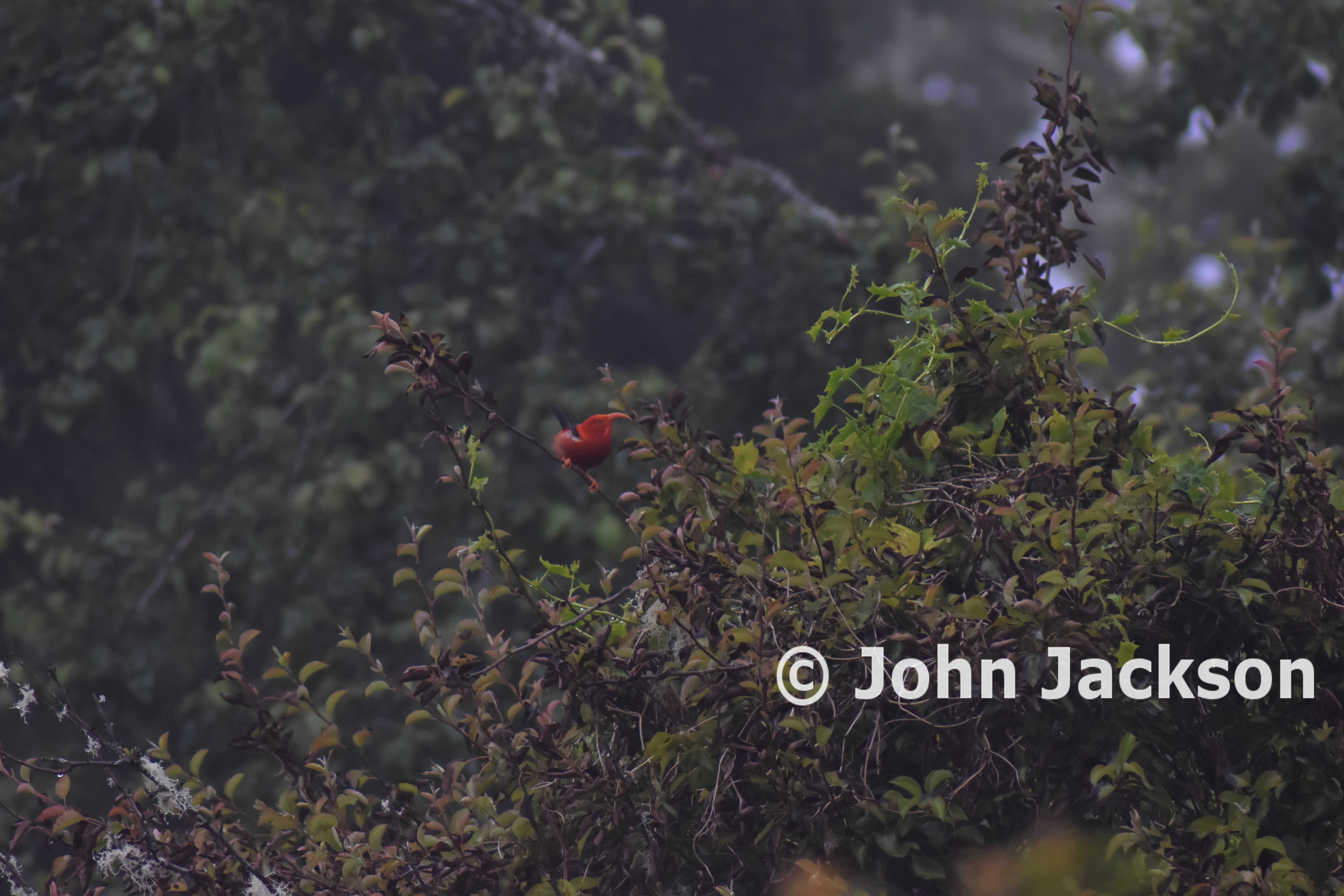
When we  arrived back at the car,  the large building we were parked by was nothing but an outline. My feet were soaked and freezing, but the day wasn’t over yet. We were yet to get a good look at the ‘I’iwi, the scarlet colored hawaiian honeycreeper that had first introduced me to the group in a rainforest book I had as kid. (Well the ʻAkohekohe was also in the book) The ‘I’iwi is a nectar feeder with a long downward curved bill, it used to drink from native Hawaiian lobelioids, but when the introduced land mammals ate them, the ‘I’iwi switched to the Ohia, or in the case of Hakalau behind  the historic Pua Akala Cabin, a massive patch of introduced Fuchsia. We stood out overlooking this mass of vegetation, hardly reminiscent of the small annual plant I see potted in hanging baskets where I live. The ‘I’iwi was calling, they sound a bit like a creaky door. I also found out first hand that the ‘I’iwi name is an onomatopoeia; the bird makes a call, which I don’t think I have ever heard a recording of, which sound like the Hawaiian approximation of it. Another thing to go back and do, get that recording. Then the bird hopped up on a branch above the fuchsia, its bright scarlet contrasted against the dark green foliage. The bird perched in view three times before we had to go and leave this piece of wild Hawaii Behind.
The 'I'iwi perched above the fuchsia plant. This bird is the "posterchild" of Hawaiian Honeycreepers
If you want to help out the birds of Hakalau Forest National Wildlife refuge, donate to Friends of Hakalau Forest NWR, (http://www.friendsofhakalauforest.org/) who have a fund to keep the refuge operational in case of government shutdowns.

Sources
“About the Refuge - Hakalau Forest - U.S. Fish and Wildlife Service.” Official Web Page of the U S Fish and Wildlife Service, www.fws.gov/refuge/Hakalau_Forest/about.html.

Saturday, August 11, 2018

Diving Among Giants


The Reef Manta Ray (Manta alfredi) is a beautiful creature and perhaps the best place to see them is off of Hawaii.


When I was certified as a diver there was one creature I could not wait to see when underwater; a Manta Ray. They are graceful, and almost alien with there odd shape and cephalic fins, which are positioned on the side of the mouths and help direct plankton-rich water into their cavernous mouth.
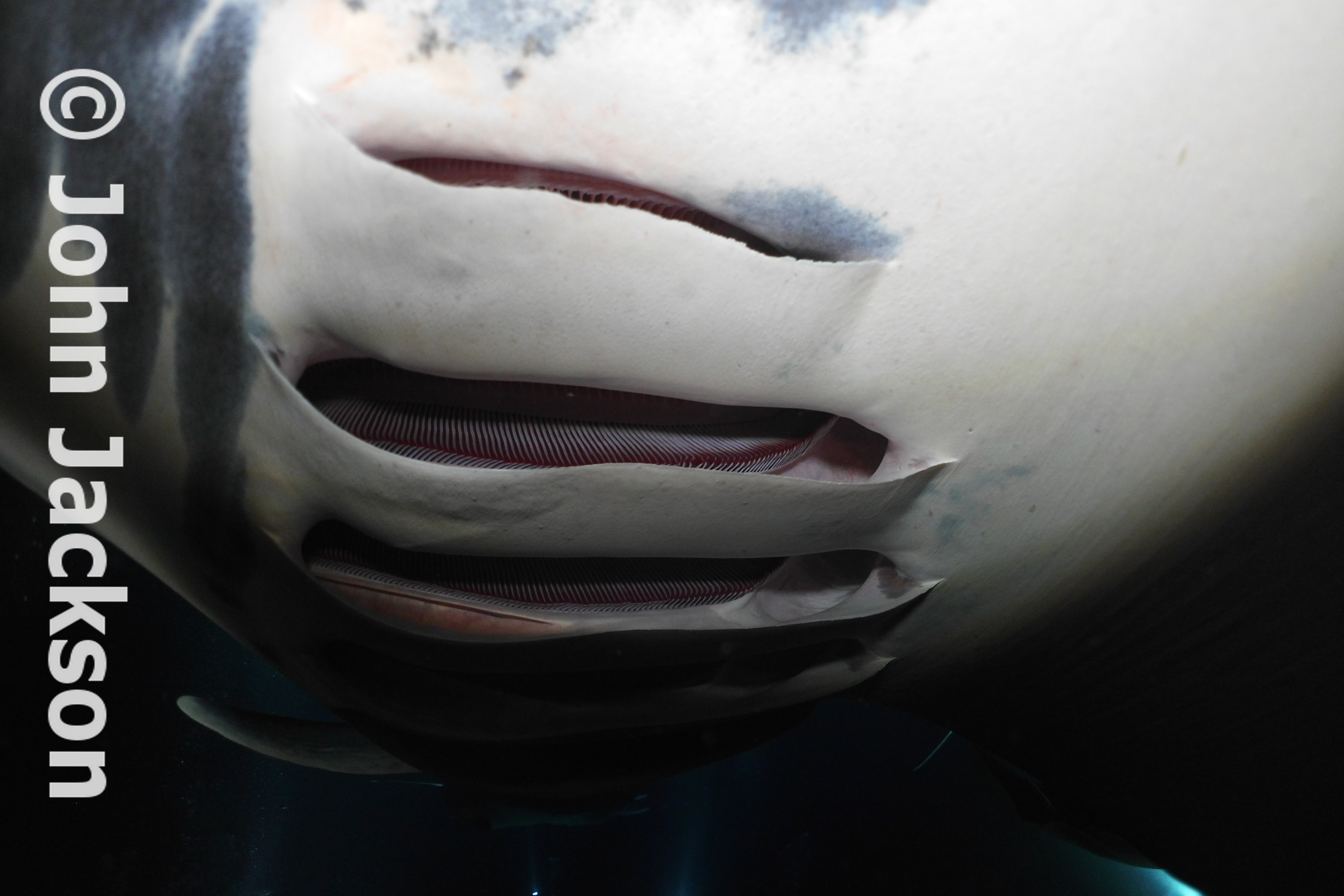
My, what big gills you have! This is a closeup of Manta Ray gills, these are what these rays use strain out zooplankton from seawater.
Manta rays have a worldwide distribution but one of the most well known places to get in the water with them is along the rugged volcanic costs of Hawaii’s Big Island. Here you can do a night dive with the Rays and watch their acrobatic feeding. I went diving with Jack's Diving Locker, one of the larger dive shops in Kailua-Kona. They offer a day/night combo dive at Garden Eel Cove located just south of the Kona International Airport. I had been looking forward to this dive for over a year at this point. I had purchased a Sealife camera to allow me to begin my foray into underwater photography, and I had bought a very expensive wide-angle lens attachment which gave me a 16mm focal length, which is really the only way to photograph these animals, and something that I definitely took away from my research; though a 16mm is probably the bare minimum to even try to photograph them, the best shots online are often around 9mm. We took off from the harbor and raced across the waves.  When we arrived, only one other vessel was bobbing  the ocean. Quickly we got ready and  took the dive into the blue waters. It was a whole new world.
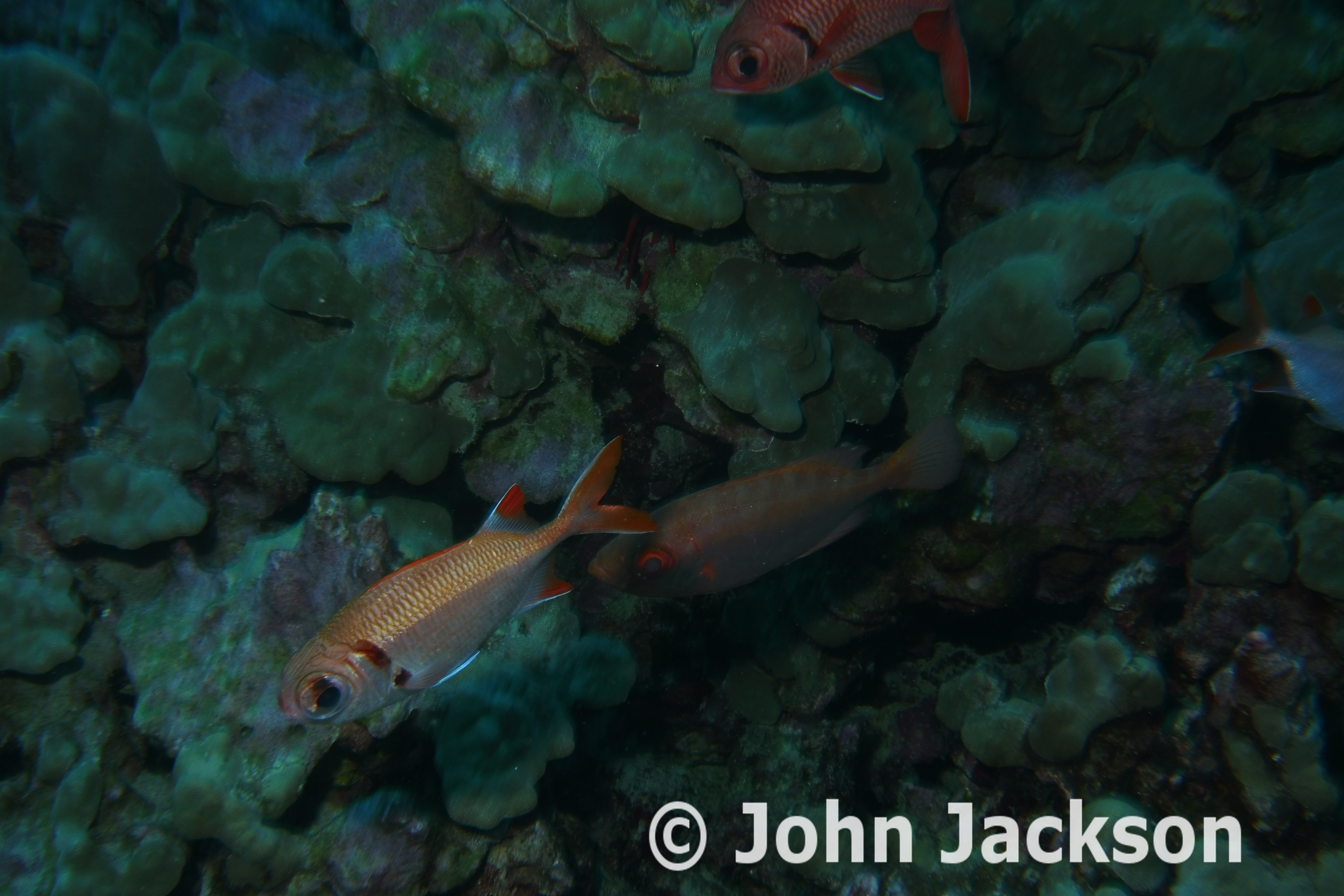
A group of Pearly Squirrelfish in a crevice.
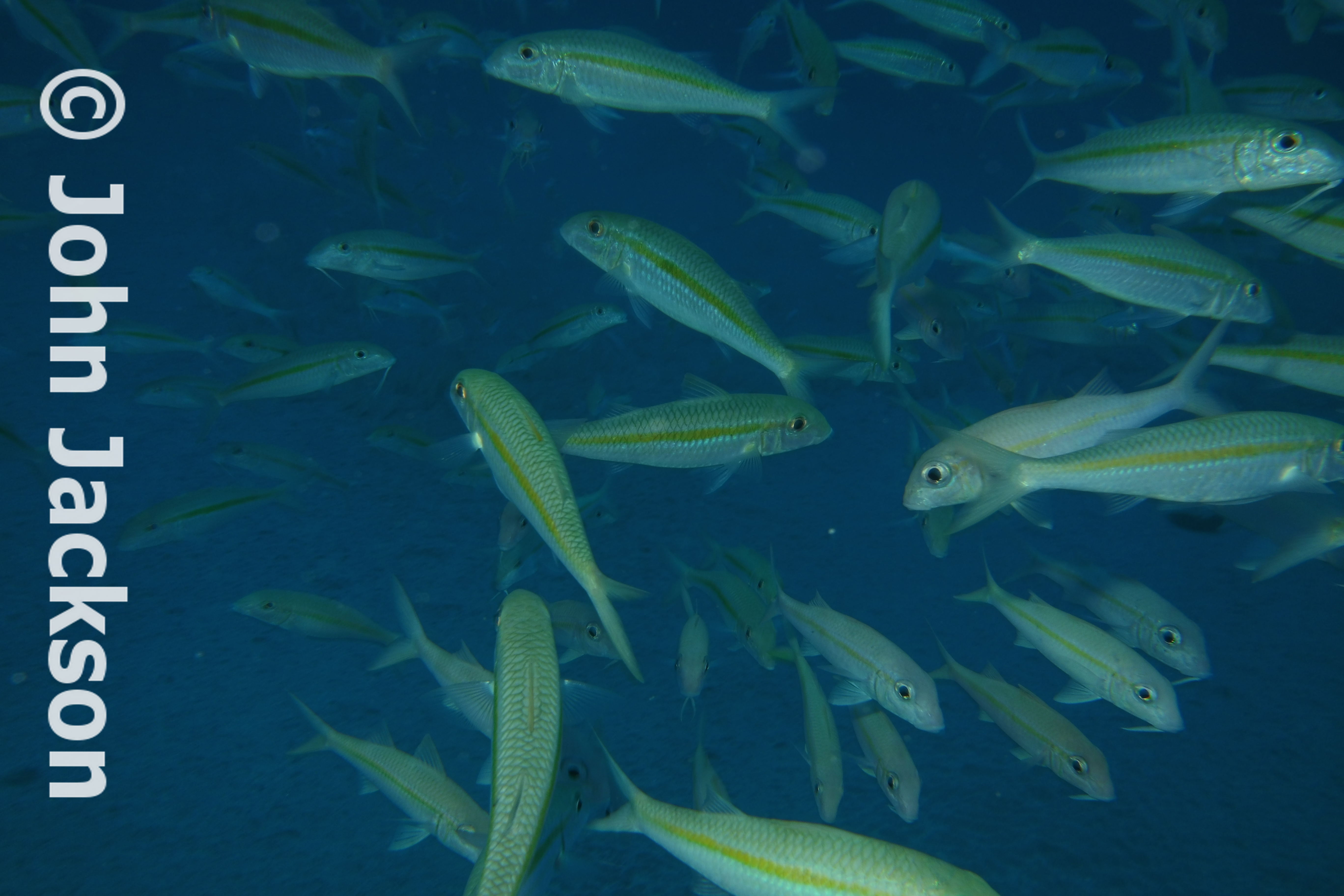
Used to the murky inland waters of Utah, the pool like clarity allowing me to see the bottom around 40 feet below, was unfamiliar and breathtaking. I will definitely remember my first dip below the waves. The dive guide took us through the area we would see the Manta, a barren rocky area called the campfire. A few reef fish swam among the perfectly round rocks. We then began to swim to deeper water and down the reef. At around 80 feet the sloping reef reaches a featureless sandy plain stretching into the blue. Giant Actinopyga obesa sea cucumbers and Yellowstripe Goatfish rested on the bottom. This is where the colony of garden eels that give the site its name reside. These specialized fish remain mostly in their burrows while they snatch prey from the surrounding water, ducking down as divers approach. From there we began our assent. Many  crevices and caves in the coral held fish, in particular groups of Pearly Soldierfish, Hawaiian Dascyllus, and Ornate Butterflyfish. I began to run low on air and headed to the surface.
A school of Yellowstripe Goatfish prepare for night

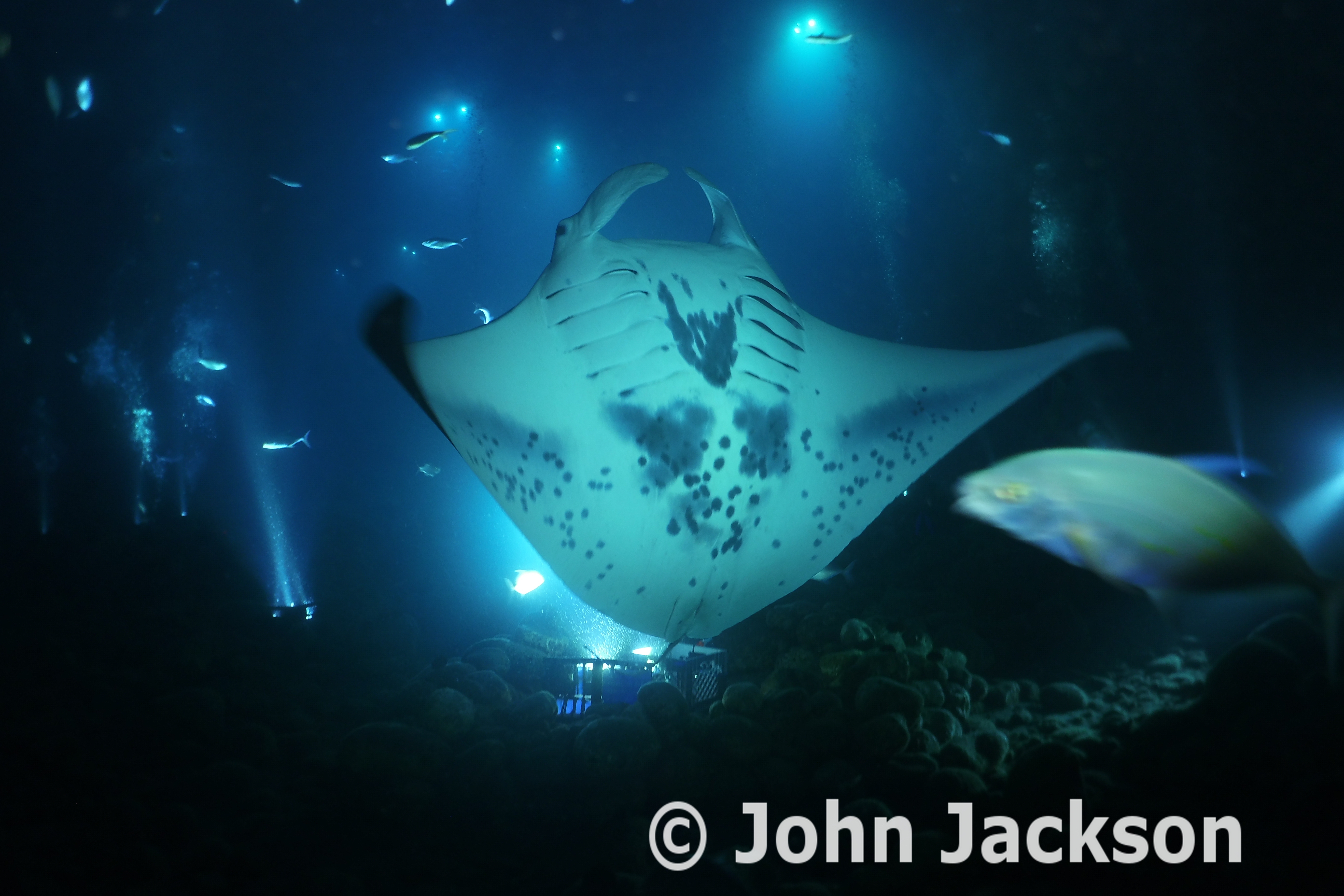
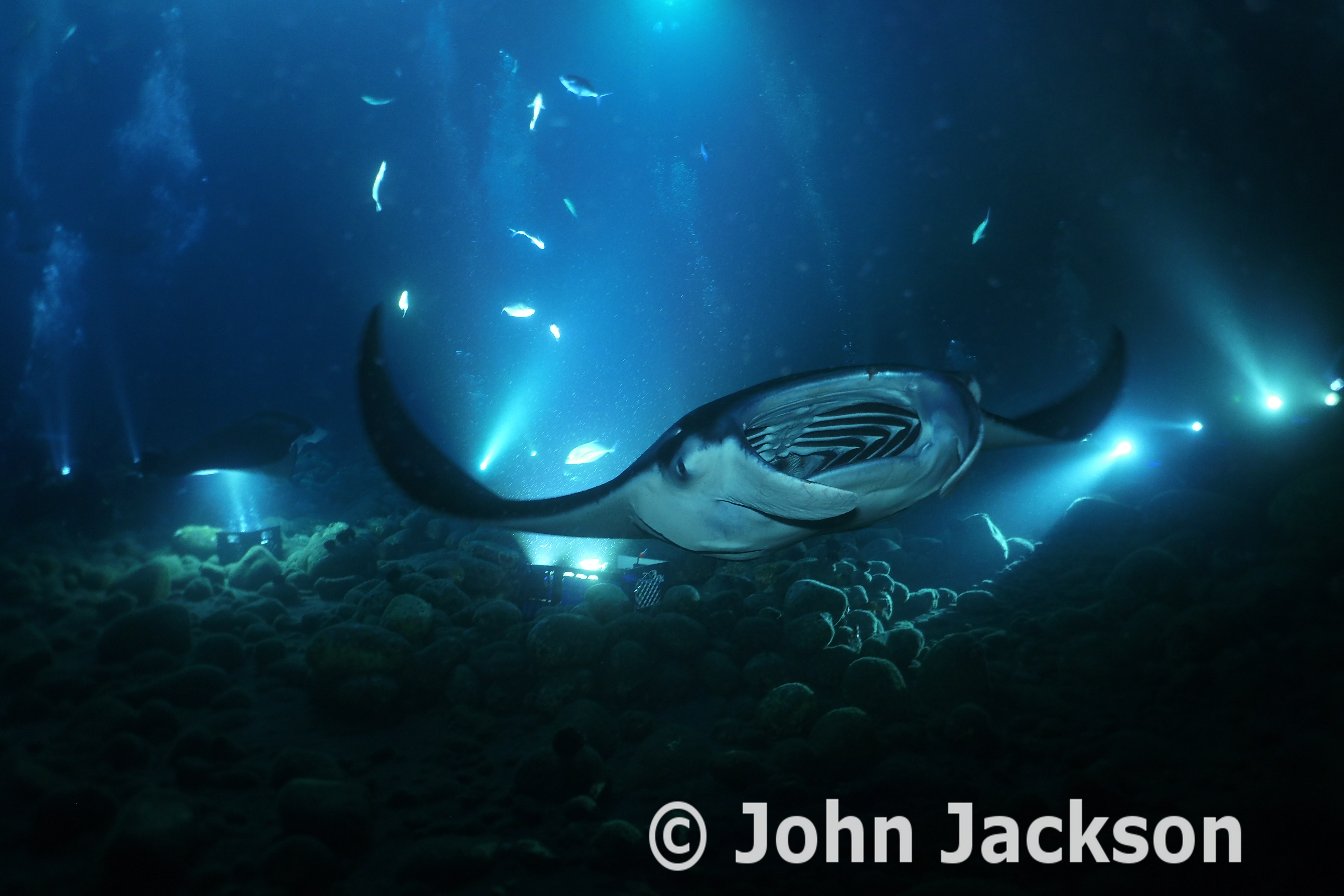
In the hour or so I had been submerged the Sunlight had really begun to fade; I had heard the sun set fast in the tropics. The volcanic smog from the active volcano also obscured the light, and the sun was a faded red sphere in the sky. A few more boats had also anchored in the bay. As we enjoyed dinner, even more boats began to arrive, our guides mentioned that there had been some talk of limiting boats, because it was getting way too crowded out here. We had a quick dive briefing on the bow at which time the first manta appeared alongside a nearby boat. We quickly wrapped up and headed into the dark waters. Below a massive gliding shape soared under my fins. Following our guide and the two red lights attached to his tank we arrived on the edge of the campfire, what in the light had been a pretty boring and barren location, was transformed. Sever lights along the bottom sent beams upward, while lights attached to floating boards that snorkelers held onto sent beams down. It looked like some sort of cirque du soleil show or outer space. Then the rays began to feed.
Raise your wings! These large fish can reach over 10 feet across! 
    They swirled around  in the soup of plankton. Sometimes they almost collided in their feeding runs, but one ray would bend its body or change trajectory to avoid a direct crash. I actually  got a pretty good look at the ray’s intended prey, a copepod backlit  by my LCD screen. Plankton was all around me so rays would come swooping right over my head.  Since my lens made everything appear half the size, when taking pictures the rays looked far away and small, and each time I took a break to just watch them I was surprised how close and how big they where. A large Reef Manta Rays have a disc (what some  might call a wingspan) of over 10 feet. Despite this massive size they are dwarfed by their big cousins the Giant Oceanic Manta Rays. I hear you can dive with them off the Socorro Islands in  Mexico.
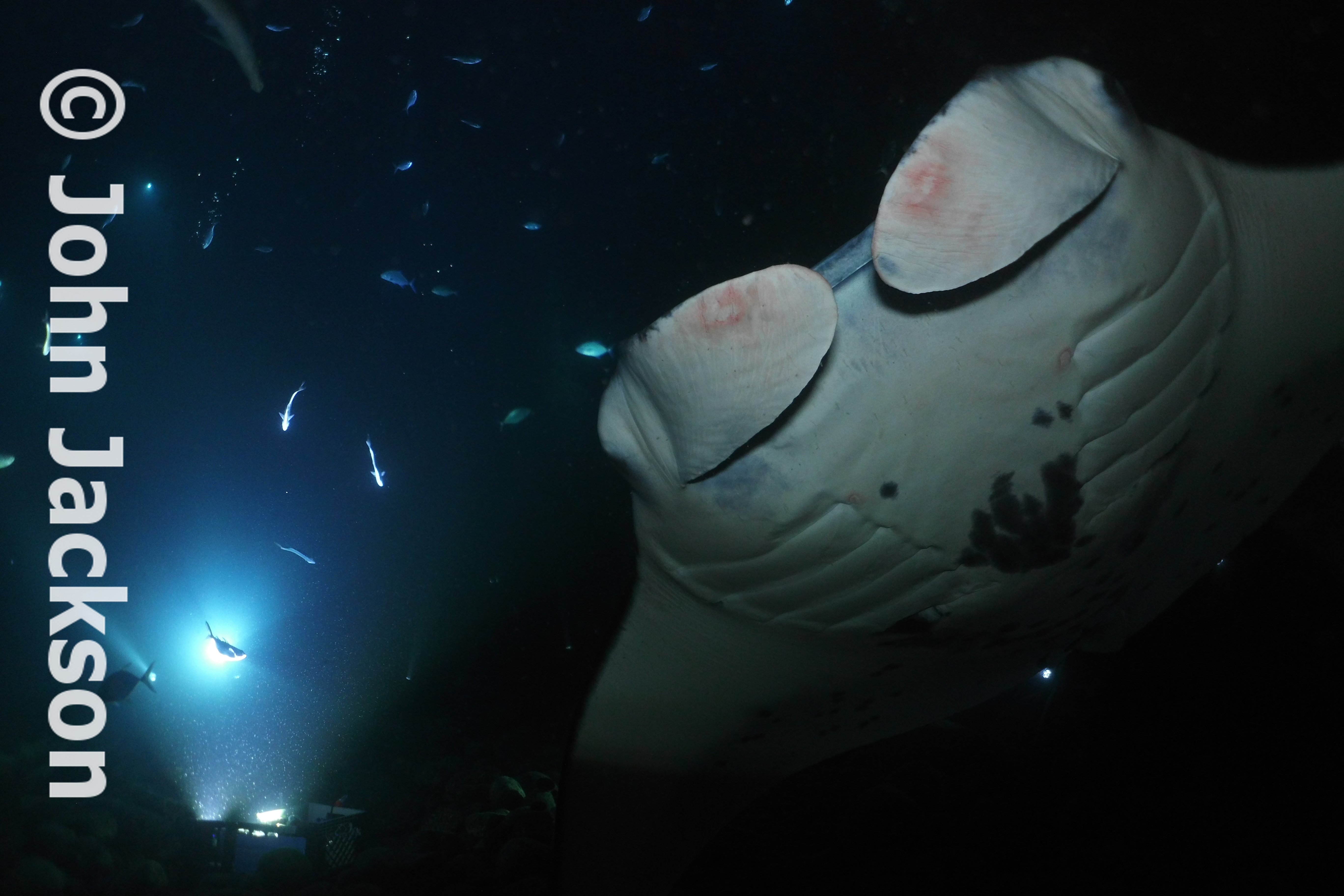
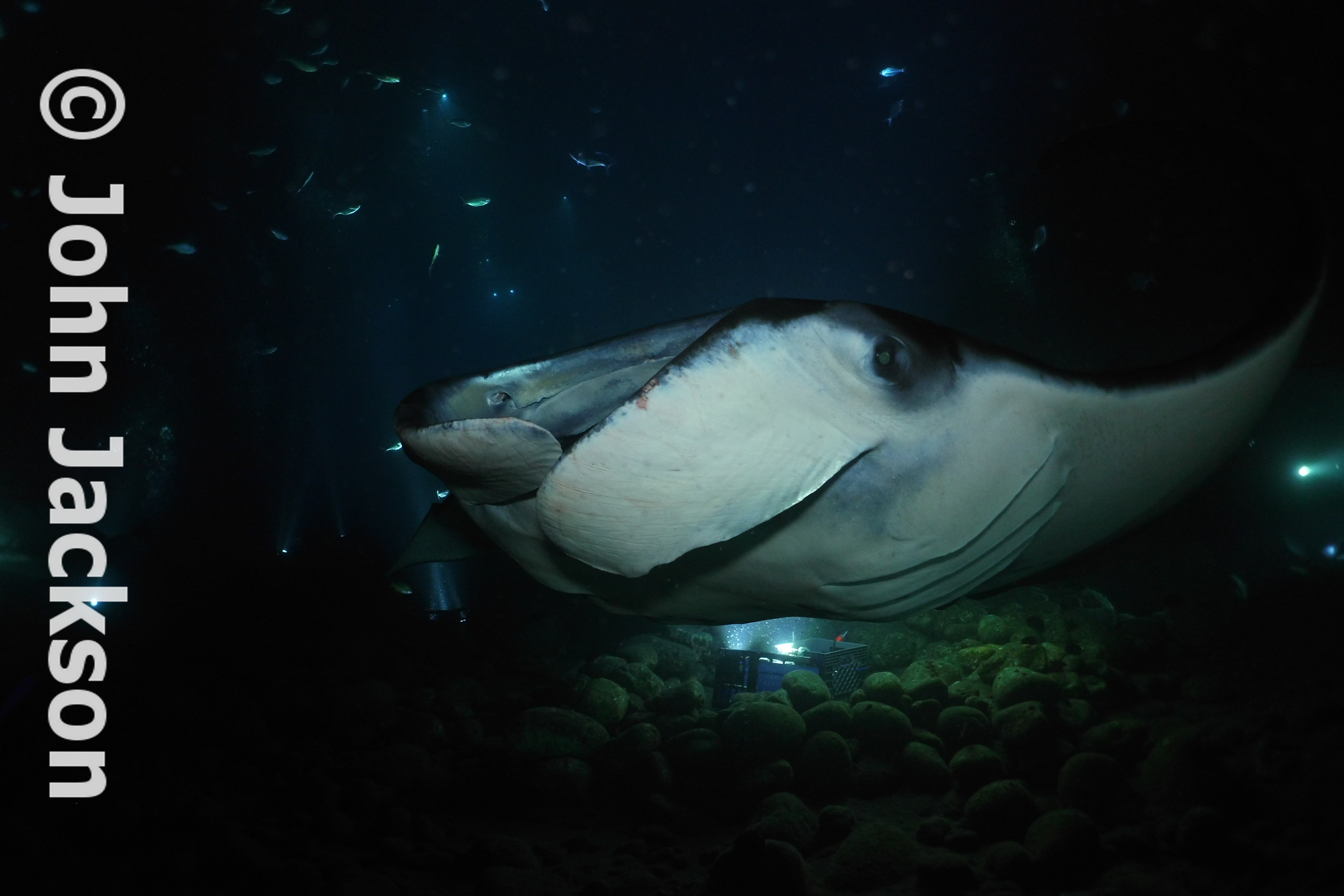
Eye to Eye with a Giant. Manta Rays seem to show some capability for cognition.

These rays move up and down the coast in search of higher concentrations of plankton, which happens to be attracted to light. This is why divers light the dark waters up. This all began in the 1970’s with the opening of a resort on the Kona coast. One of the design choices this hotel made was having large lights illuminating the surf, so that guests could watch the waves crashing on the coast at night. Unintentionally, these lights drew in planktonic life. Mantas, which have the largest brains of any fish,  soon began learning that this area was a good place feed. Soon divers where trying to get in the water with these majestic creatures. Special made lights were constructed to draw rays into deeper water, which is better to dive in. For many years this was a popular site to do manta ray night dives. However, in 1999 the rays vanished for several weeks. In search of the rays, dive guides began searching the coast to look for there new hang out. Sightings of manta rays by fishermen, led to garden eel cove. The first night lights where placed out, a manta immediately showed up and soon this site was established as a Manta Ray hotspot. Still the rays sometimes don’t show. Lucky for me though, the night I was diving was filled with over fifteen hungry mantas.
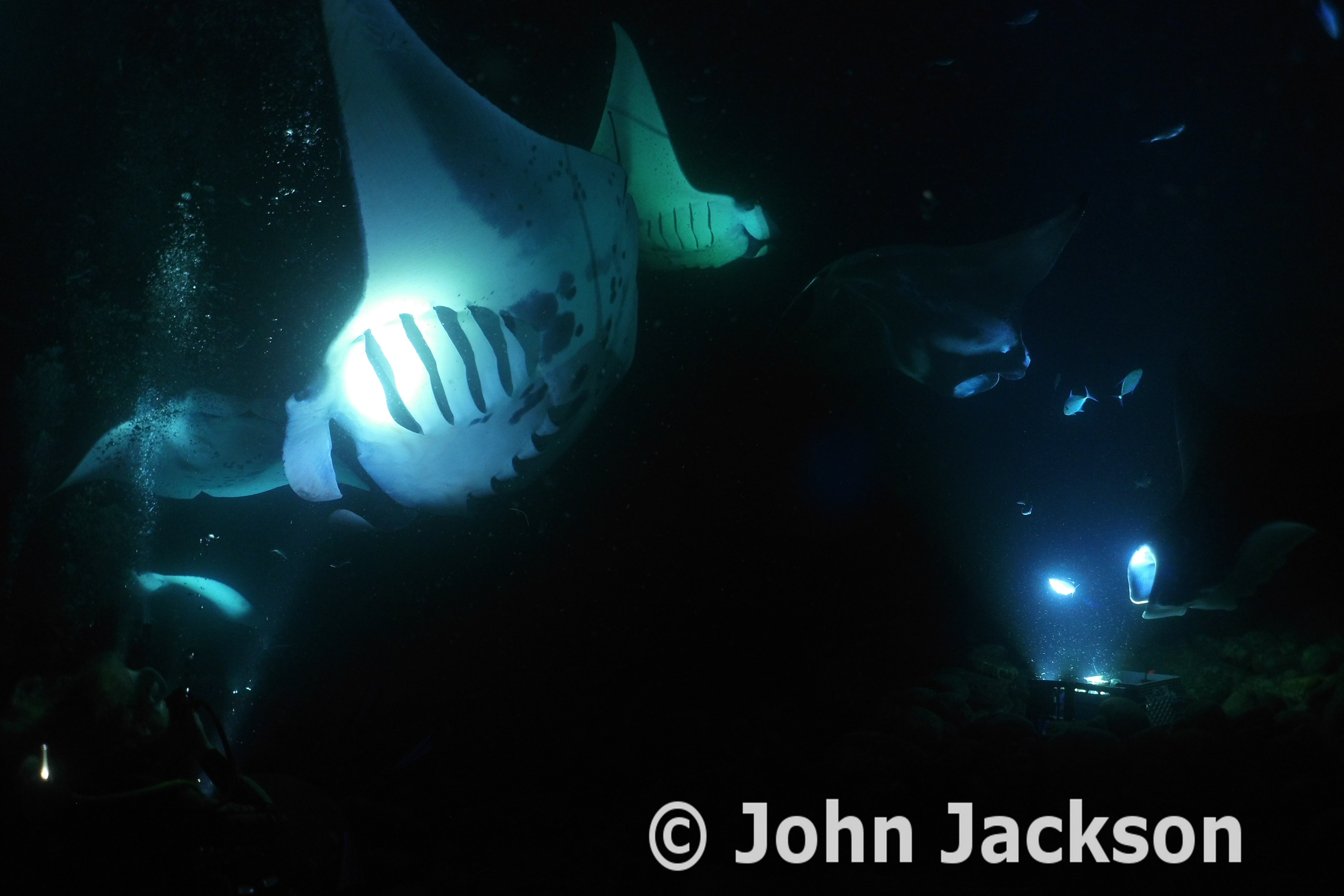
Welcome to the Mantapocalypse, there are over 6 rays in this frame.

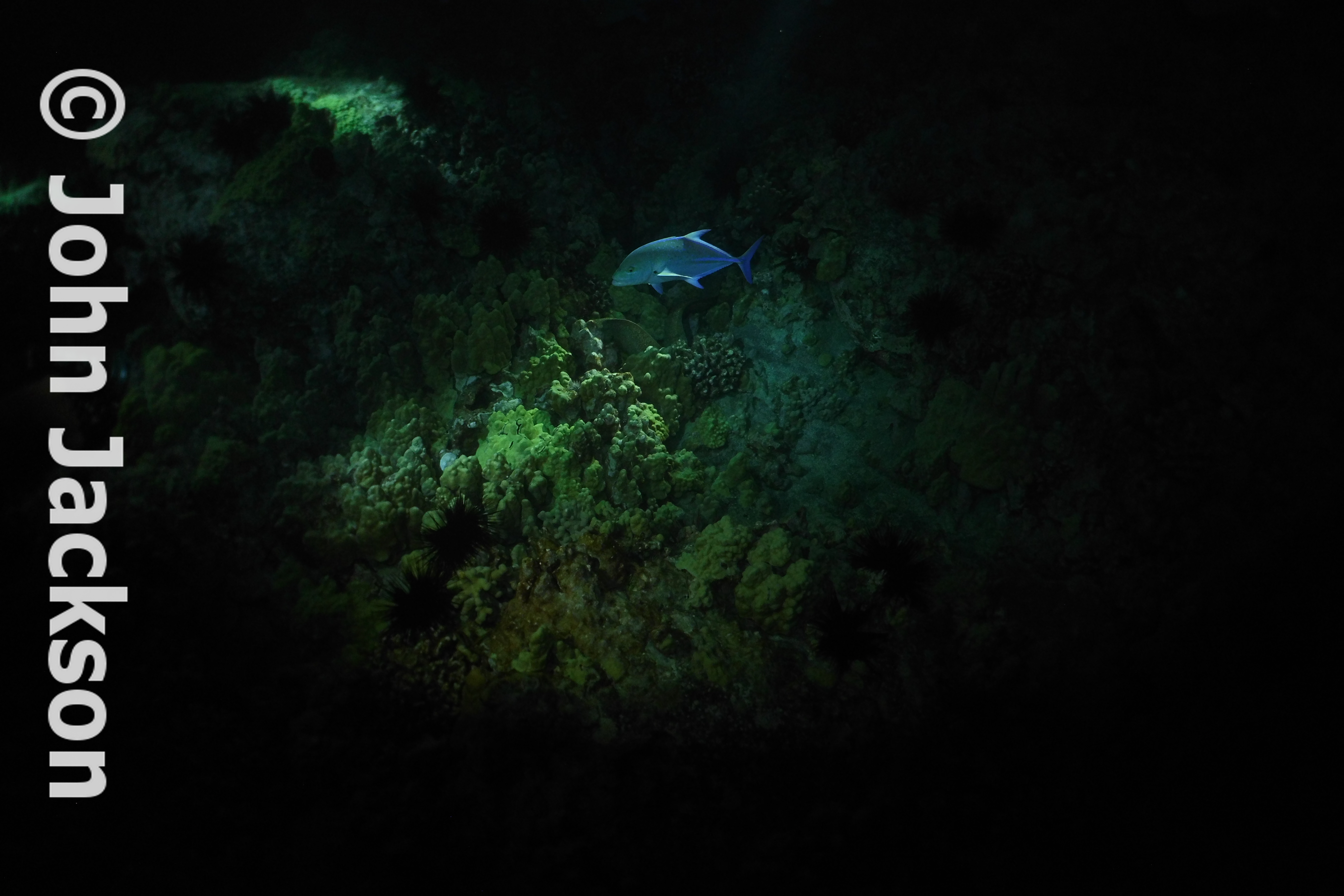
After a while watching the rays our guide lead us into the reef. It was very different once the sun had set. The colorful fish were gone, sleeping in the coral labyrinth. The predators were out. Eels slithered through the broken terrain, sticking their heads into caves. Our guide said that when the eels grab something to big to swallow they will constrict it like a python, until it pops, I was hoping to see/film this behavior as it sounded unbelievable. Circling the eels, Bluefin Trevally waited for the serpentine predators to miss a fleeing fish and snap it up themselves. Air begun to run low and the ocean had drained my body heat, it was time to hit the surface. I really enjoyed this dive and have to highly recommend it. It was one of the most incredible experiences I have had, and my mother shares that sentiment. I will definitely be back.
A spotlight illuminates a Moray eel hunting along the coral reef, while a trevally circles above, waiting to snatch fish the eel fails to grab.

Sadly, Manta rays have been declining in recent years, as human pressure on the ocean intensifies. Manta are hunted in several parts of the world, both for food, and more recently for there gill rakers which have become a made-up Chinese medicine. Even in places where they are not specifically targeted like in Hawaii, where they have been protected since 2009, the Rays find themselves accidentally caught in nets as bycatch, one of the rays swimming around was missing a cephalic fin, and another's was damaged, likely due to being tangled in nylon, either from a net or a fishing line. I hope maybe sharing my experience with these beautiful creatures help get you interested in helping them out. Check out Seafood Watch to learn more about bycatch and what seafood is best the eat to avoid leading to the needless deaths of Manta Rays, dolphins, sharks, turtles, and albatross.

Sources
"Mantas at a Glance". Manta Trust. Archived from the original on 2013-01-03. Retrieved 2016-05-15.
“Locations & History.” Manta Ray Advocates, www.mantarayshawaii.com/locationhistory.html.
“Manta Pacific Research Foundation.” Manta Pacific Research Foundation, www.mantapacific.org/.
Thank you for reading, if you have gone on this dive, please write a comment

Friday, April 13, 2018

Trouble With Trogons


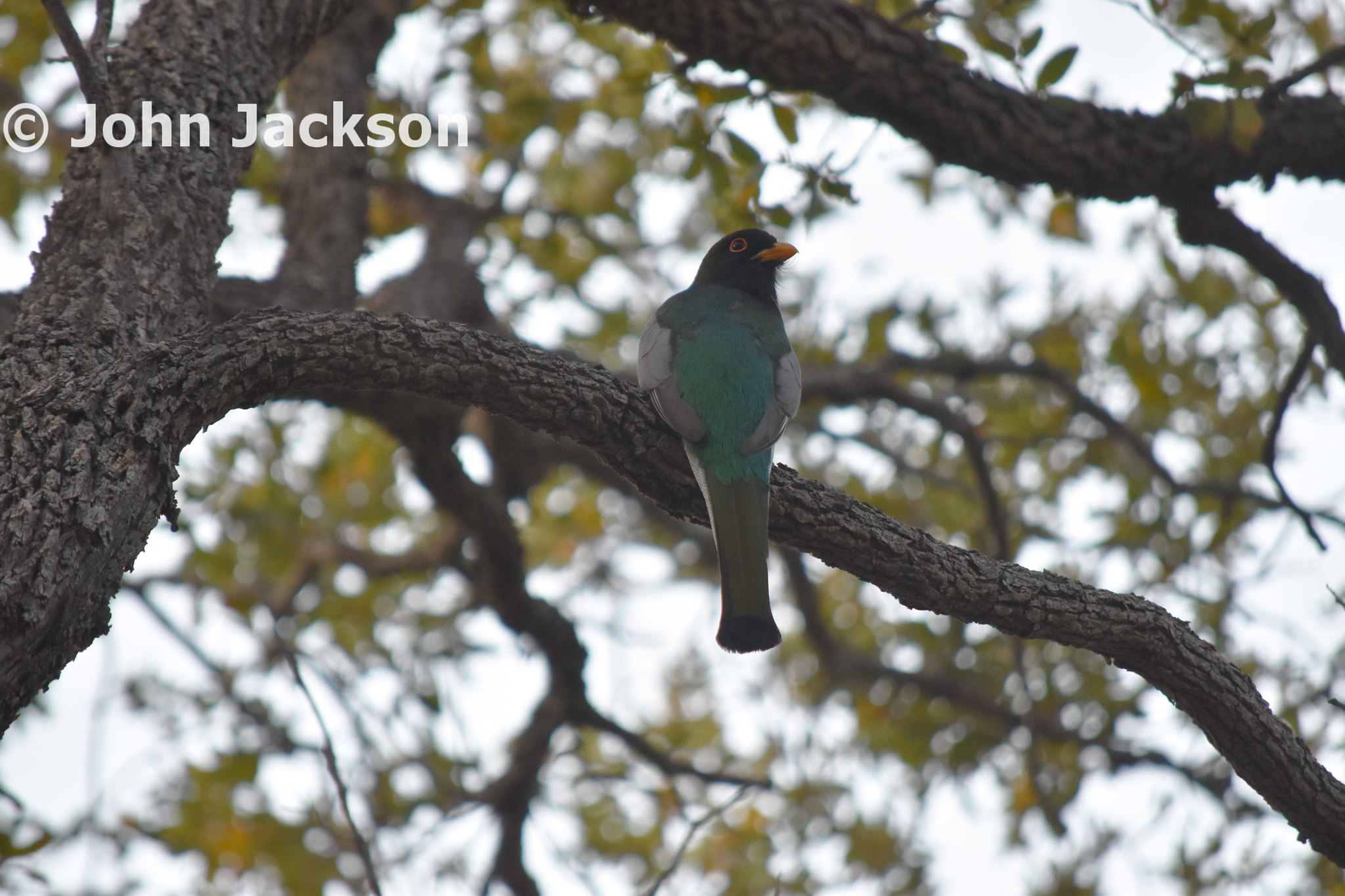
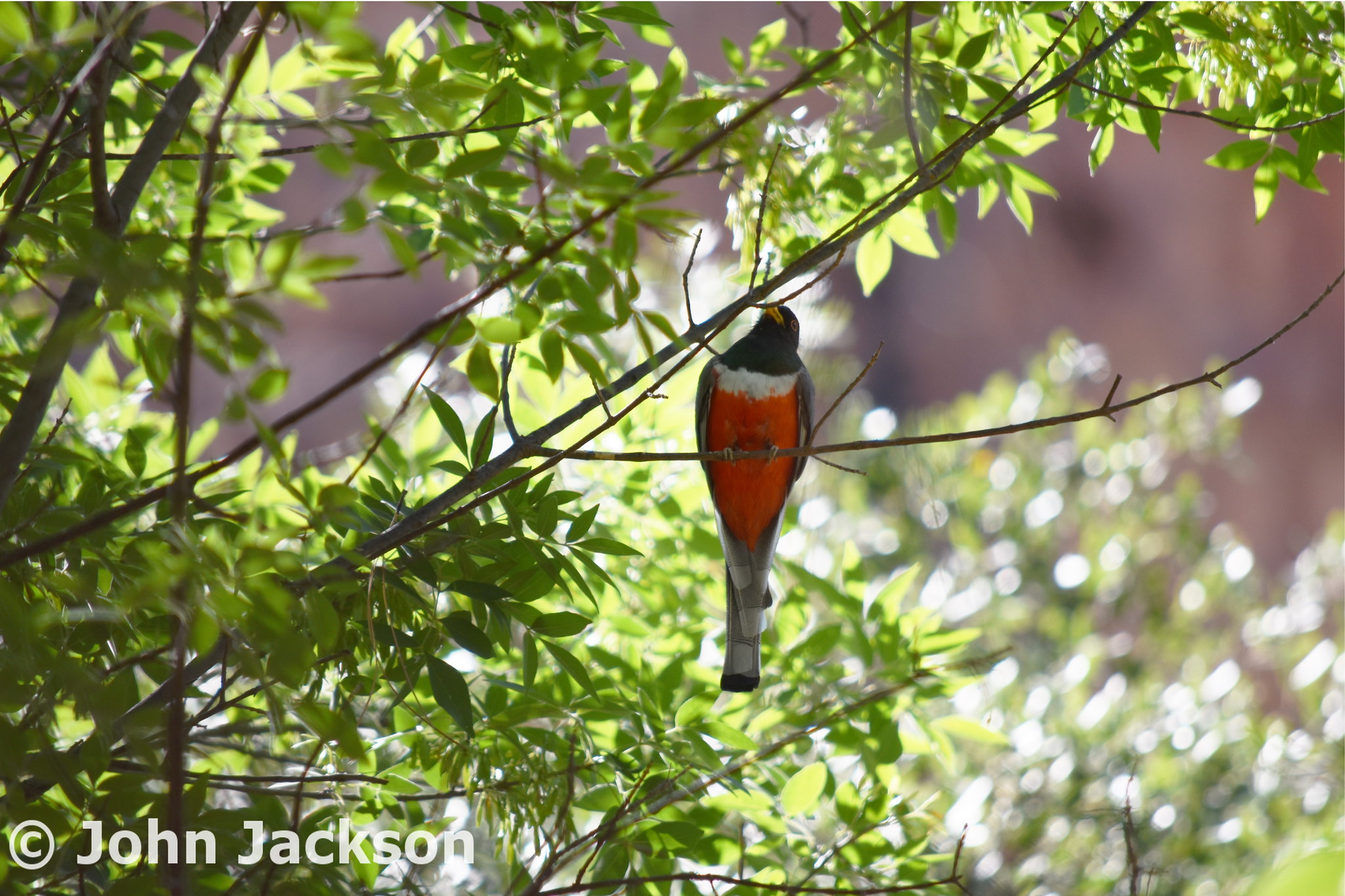
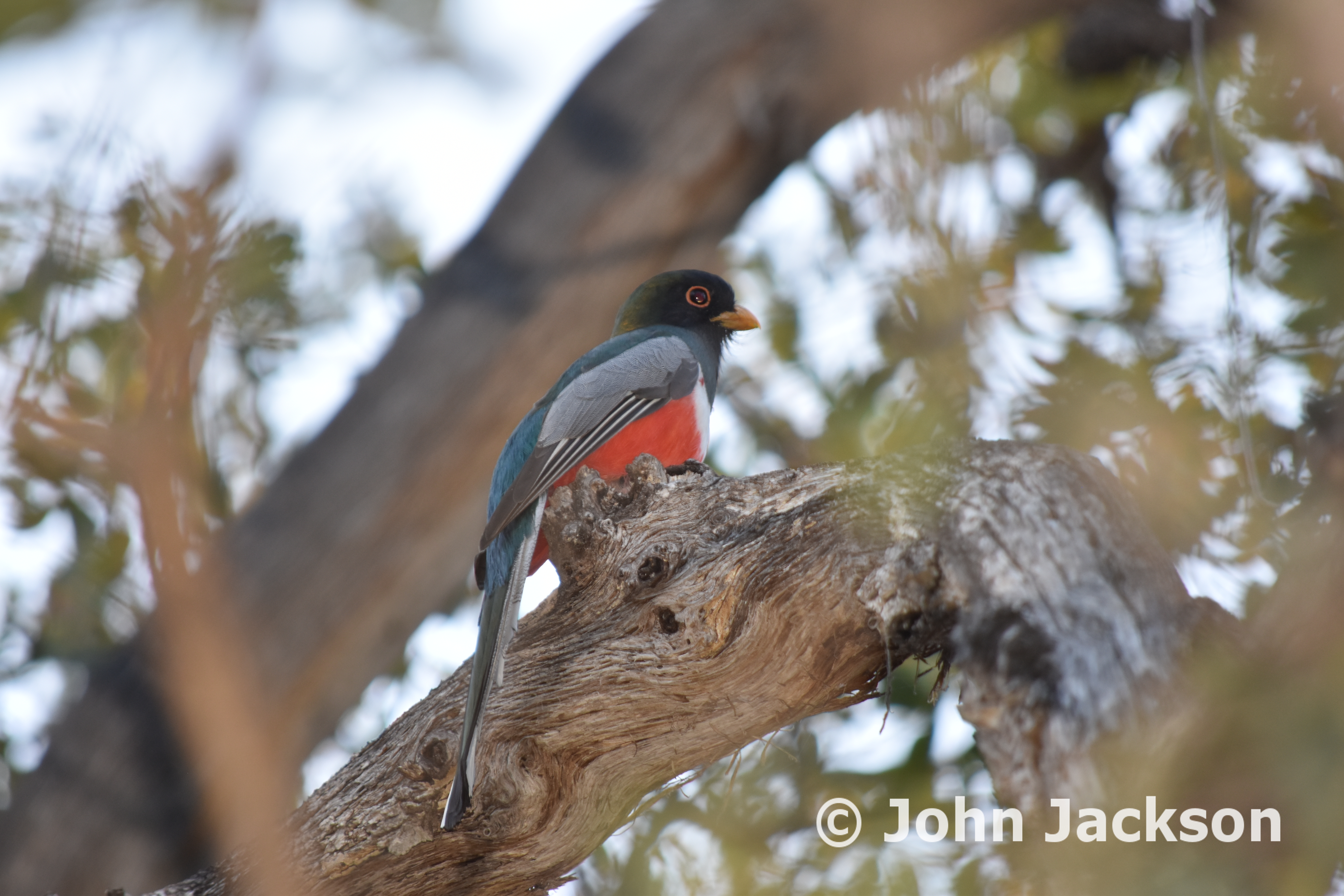
Elegant Trogon Perched on a Branch; Florida Canyon, Arizona
The Elegant Trogon (Trogon elegans) is on of the most colorful birds in the United States.
Few Birds in North America capture a birders imagination like the Elegant Trogon. Trogons are a birds found throughout the world's tropics. However, A few species can be found in more temperate habitats. The Elegant Trogon is the most Northerly living of trogons. Found mostly in the mountains of Mexico, it's range just barely extends into the United States in a few places. Their presence is a major draw to places like Madera Canyon; just check out the Santa Rita Lodge gift shop: Trogon pins, Native American Pottery depicting trogons, Trogon socks, etcetera. I caught Trogon fever, and took my high school graduation trip to southern Arizona. Not only that, I decided I wanted to finally get into SLRs to get a gorgeous picture of this exotic bird.
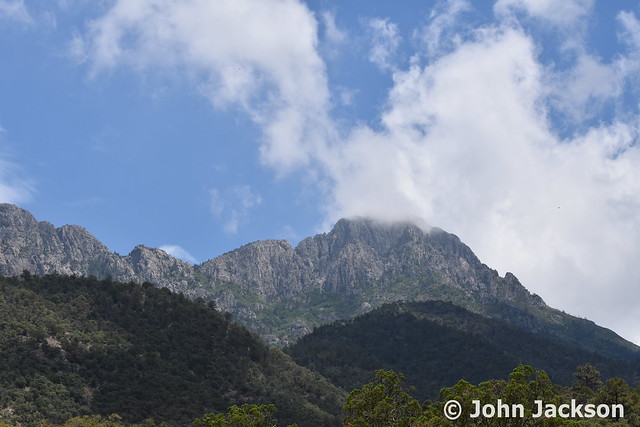
Madera Canyon after a rain storm, clouds engulf the peaks
On the day I was here Madera Canyon felt like a "Lost World" with the peaks enveloped in clouds.


So my first shot at the species was in Madera Canyon, the first really mountainous stop in southern Arizona on the trip. Checking Ebird, the location to be was the Carrie-nation trail, which heads up canyon from the end of the canyon road. Two Sulfur-bellied Flycatchers flew around just above the parking lot. Waking up I saw my first bridled titmouse and saw the beautiful Arizona Sister butterfly drinking from the creek bed. Then from the above came the call of the Trogon. It is an unmistakable sound, which sounds, no joke, exactly like a barking chihuahua. Following the racket up the trail. I finally deduced it was on the hill side, so to get my picture I rushed up the steep slope through the poison ivy. There I set eyes on the bird, but as I lifted my camera he flew off his perch and into the canopy. After picking my way down the hill I heard the bird further away. The next year when I came back, I was talking to a guy staffing the Santa Rita Lodge gift shop and told this story, I learned this particular bird has befuddled many a birder, leading them to the top of his territory, calling the whole way, only to fly silently back to the bottom and resume calling; while being easily observed by average hikers. We then had a quick conversation on why the bird behaved this way, was it messing with birders, or was some behavior of birders actually more disturbing than people wondering by having a conversation. I figured someone shushing sounds a little like a Jay.
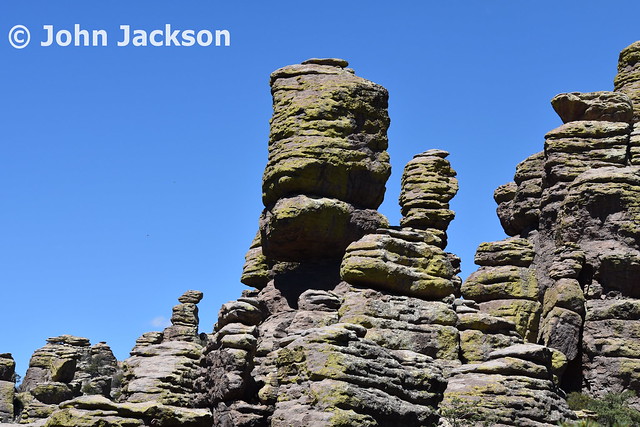
Hoodoos in Chiricahua National Monument, Arizona
Hoodoos in Chiricahua National Monument, Arizona. These rock formations look very different than those commonly seen in the Colorado plateau region to the north. I live the green on the dark rocks, gives it an "exotic" look
After my failed attempt to get my sought after picture in Madera, I headed east to the Chiricahua Mountains. This little mountain range has some truly spectacular hoodoos, and a great variety of Mexican Birds. Trogons appear to be pretty uncommon on the Western side of the range, in the national monument. However, on the eastern side, Ebird indicated that Cave Creek Canyon was where trogons could be seen. Driving over the top of the Chiricahua Mountains is a highly recommend place to go birding, on the way up I got the red-face warbler. The descent into Cave Creek was a bit rough and steep and wore the breaks off the car. The place to go is the South Fork of Cave Creek, an abandoned washed out road. On the journey up an A-10 Thunderbolt flew through the canyon at low altitude. Eventually though I turned around to head off to the Cave creek lodge, which has feeders that bring in many species. Talking to them they said the Trogon had been sited in the South fork that day so I went back. Around a pair of cabins (which I joked would be a great place to own, and have Trogon nest boxes) the barking began and a male Trogon flew down to road at me. I finally got my Trogon shots I had wanted, but they were far from perfect.
Trogon on a branch, South Fork of Cave Creek Canyon, Arizona
An Elegant Trogon Perched above me in the South Fork of Cave Creek Canyon
The next year I enrolled in a Desert Ecology class through University, and headed back down for spring break. We got to stay in the Santa Rita Experimental range in Florida Canyon, right next to Madera. Better yet, a Trogon was seen regularly only a few hundred feet from where I was sleeping. I went out every day when I had free time. Yet the Trogon never showed up. Finally, one night I was waiting with one of the TAs in the parking lot where the bird had been seen; we were with a group of birders also looking for it. We ended up discussing the really rare animal of the Santa Ritas, a jaguar which had been detected by camera traps, and was the only Jaguar known to currently be wild in the United Sates. After they left as the sky darkened, the trogon burst across the parking lot calling loudly, disappearing just as quickly into the gloom.
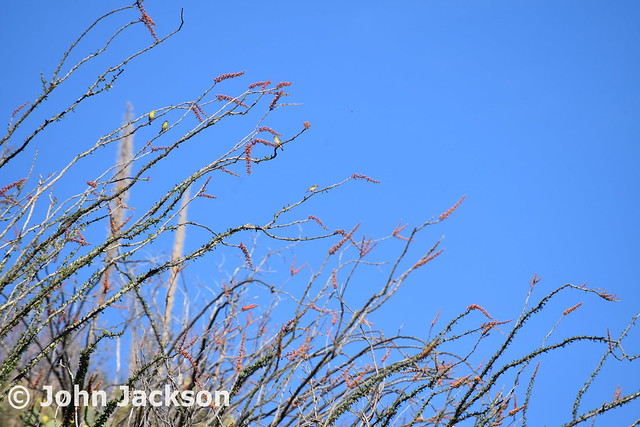
Several Goldfinches Perched on Ocotillo Plants in Florida Canyon, Arizona
Several Goldfinches Perched on Ocotillo Plants. The Ocotillo may be may favorite plant in the Sonoran Desert.
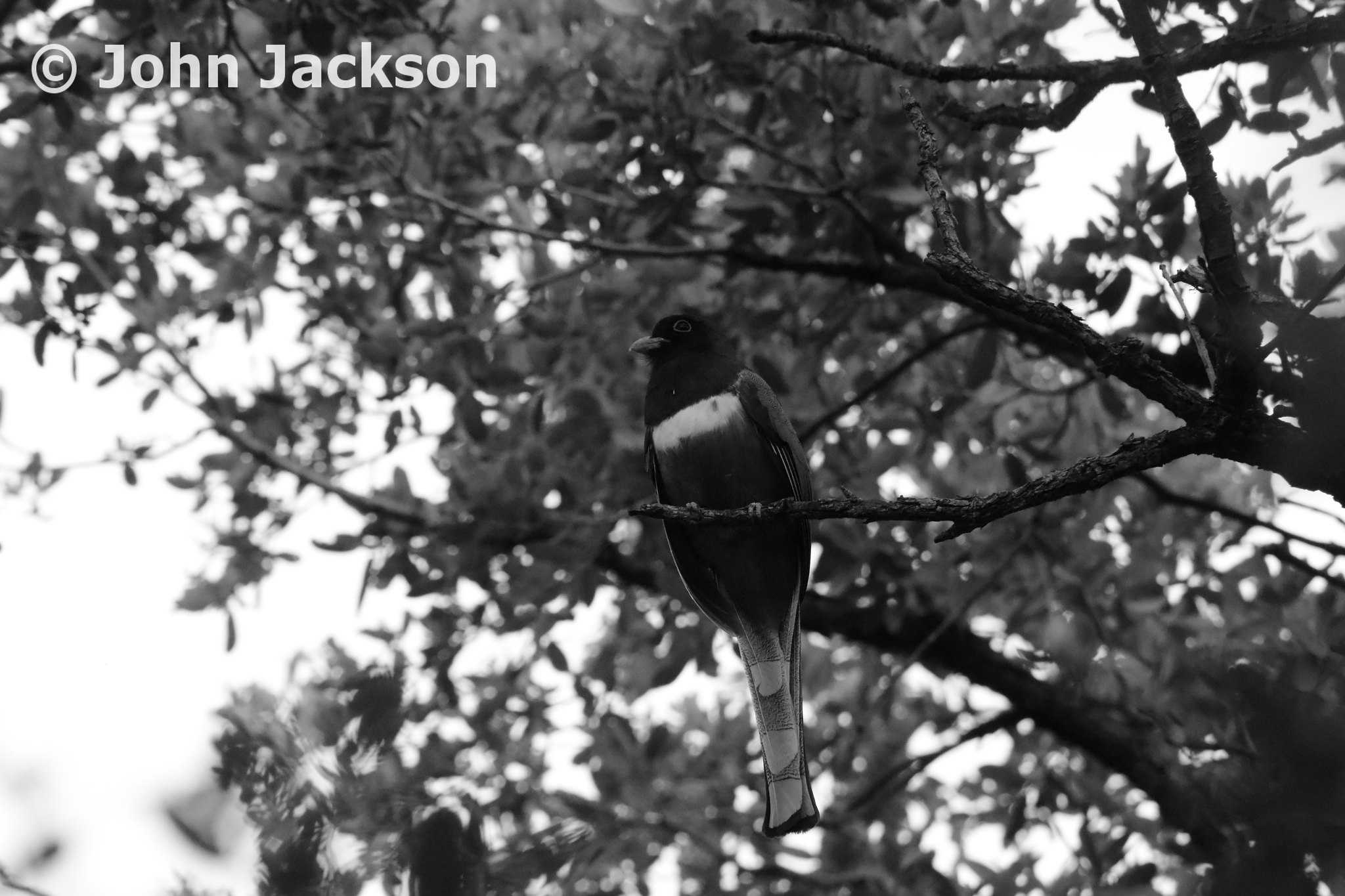
It was finally down to the last day of the class, we would be headed up north the next mourning. During the heat of the day I got the ABA rarity, the Black Capped Gnatcatcher, which were down the road in a very rocky wash. As evening approached and a large group of people from the class gathered to get the bird, I finally broke down and tried a recording. Recordings are definitely the “Jedi mind tricks” of birding, although maybe not outright bad, they are ethically muddy for sure. In Madera they are highly discouraged, as they have been known to habituate birds and probably fakes out birders. Ultimately, in my humble and inexperienced opinion should only be used to locate a bird you are having a lot of trouble with, like a Trogon you have been looking for a week. As soon as a particular recording rang out (which I will not share) the bird appeared. I got the camera up and started exposing images. After taking some incredible looking shots I did a quick check. To my horror the photographs were black and white. Somehow the dial has switched to creative. I quickly got it back to regular and took more shots. But the light was fading and High ISO led to some of the images being a little noisy. I took one flash shot, which ended up quite nice, although I felt it was a bit disturbing the bird, although it didn't seem to pass it or birds I have used it on since. In the end I spent a good long while with the Trogon, photography it as it worked it's way from Perch to Perch until it finally flew into the thicket surrounding the creek.
Black and White Elegant Trogon Picture, Florida Canyon, Arizona
The most colorful bird in North America, in beautiful black and white. It is an amazing shot of a trogon, but sadly is in Black and White.
The black and white Trogon picture became a bit of a joke, and over time I have come to appreciate my folly. However, I would like to go back and do another photoshoot with this frustrating but exceptional bird.
Trogon perched on a branch in Florida Canyon, Arizona
Trogon Photograph taken with my onboard Flash. It turned turned out quite nice.
Trogon Tips
-listen for and know the trogons call, All of my sightings involved locating the bird by it's call. They disappear very easily if you don't have eyes on them.
-I would discourage using recordings, for three of the 4 times I have seen the bird l, I have not needed them, they are fairly vocal especially when most people are birding in the area so recordings are not necessary.
-When Trogons Perch they stay for about 30 seconds moving their head around, then fly off. This gives you the opportunity to get several shots with the head at different angles.
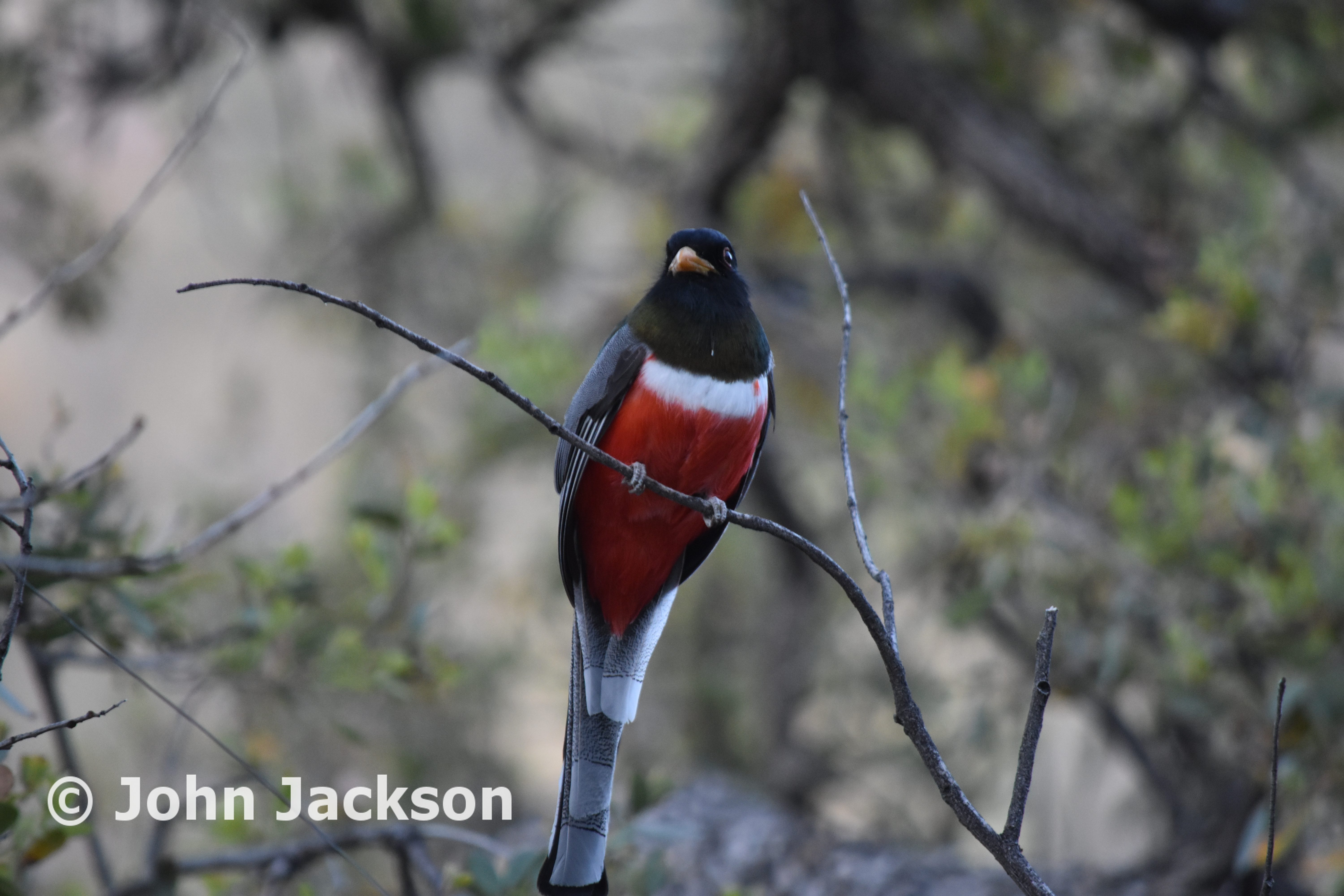
Elegant Trogon perched on a Branch, Florida Canyon, Arizona
A nice picture taken strait on with the bird. This was among the last images before it took off into the gloom of dusk